
Oxygen Self Rescuers
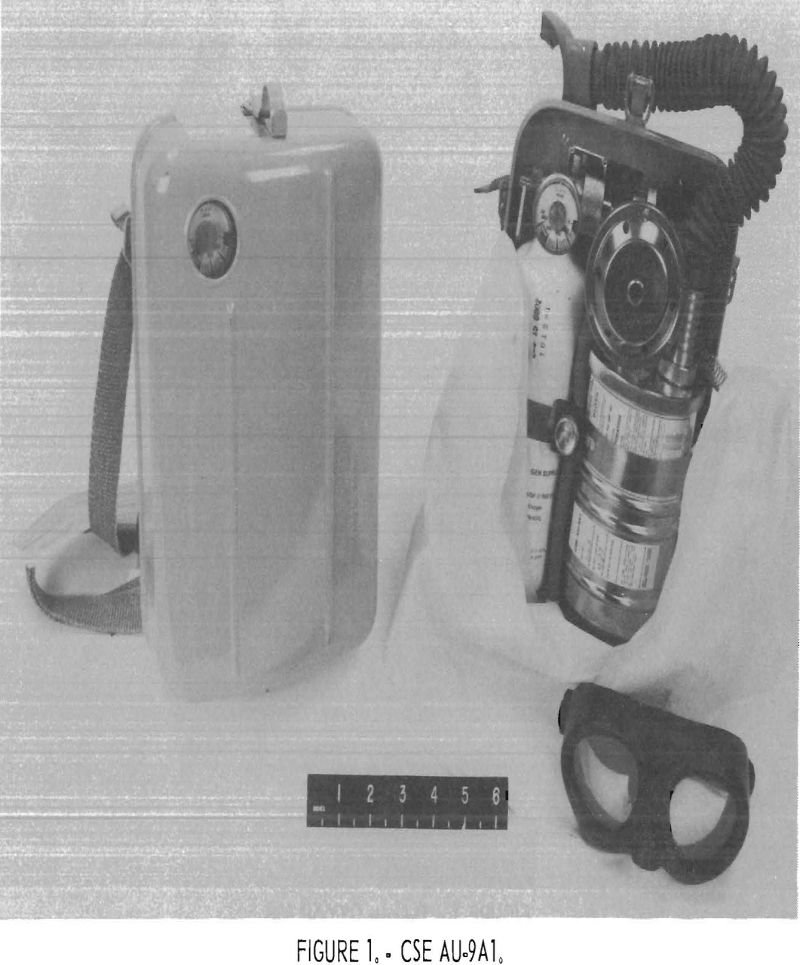
Coal mine operators in the United States were required to make available to each underground coal miner a self-contained self-rescuer (SCSR). The regulations (30 CFR 75.1714) require that each person in an underground coal mine wear, carry, or have immediate access to a self-rescuer that provides an oxygen source. The oxygen self-rescuer will replace the […]
How to Keep Bins Flowing – Safety & Material Handling
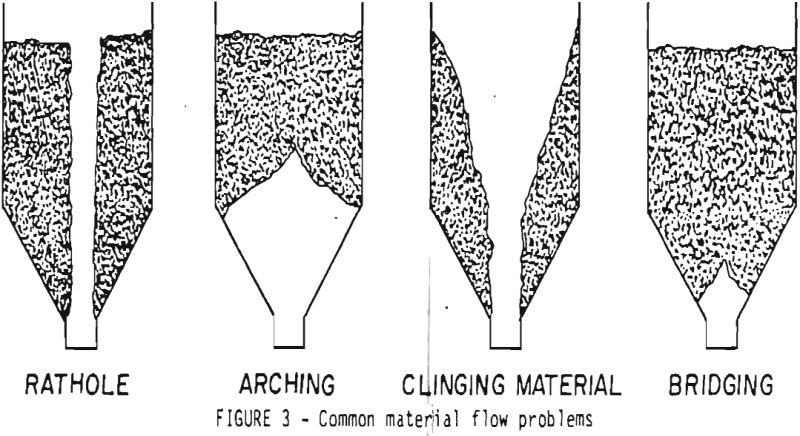
Over the past several years, a number of deaths have occurred in the minerals industry as a result of workers entering bins or silos to correct flow stoppages or to conduct maintenance. In almost all of the fatalities, the direct cause of the accident could be attributed to a failure on the part of the […]
The Dangers of Gold Dredging
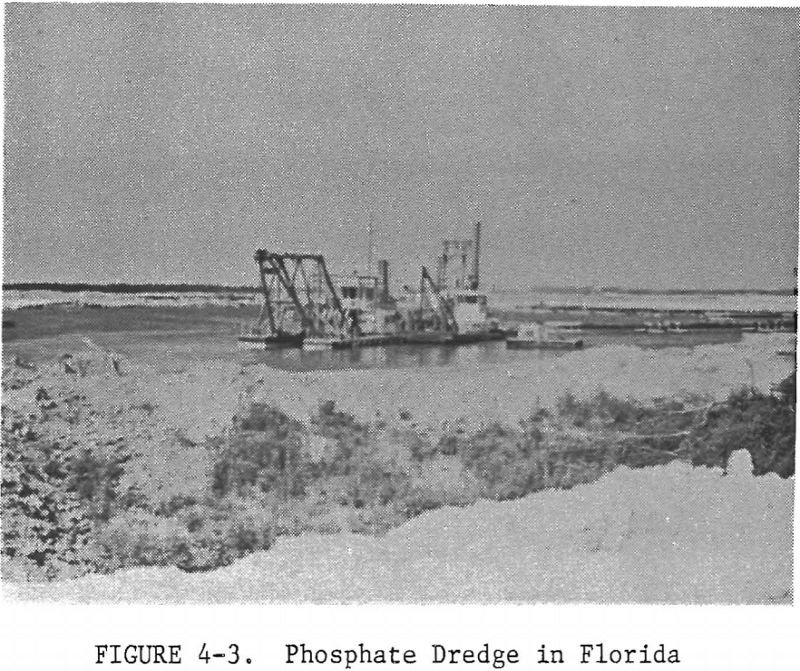
Dredge Operation Visits The contract requirement was that nine mining dredge operations be visited to gather data on the operations, their safety hazards, and their safety management. Although the number of field trips made was the same as originally planned, 31 dredges were visited. There were several reasons, but the most important were: It was […]
Dredge Safety
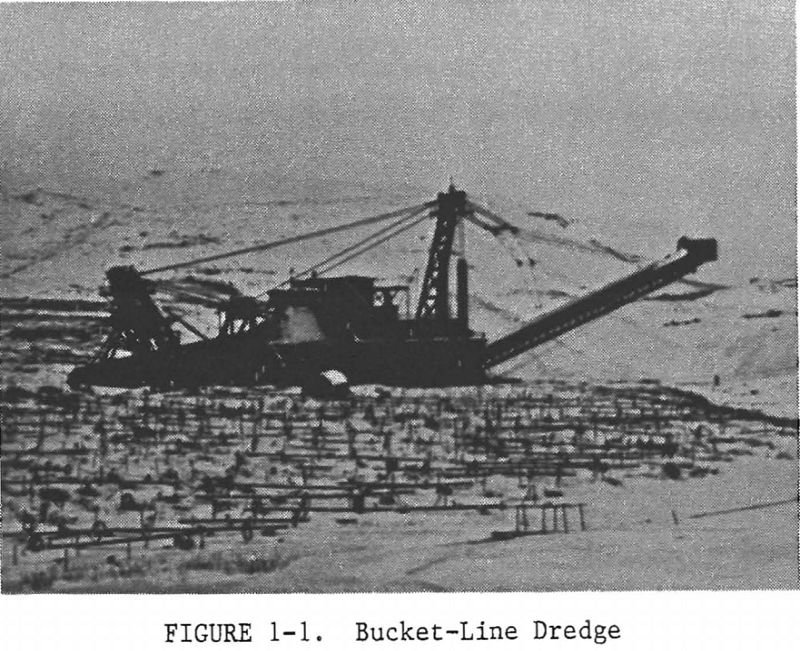
The objective of the work reported here was to examine, analyze and evaluate the safety hazards which affect mining dredge workers. The safety hazard consideration involved design and environmental hazards as well as those related to dredge operation and maintenance. It included shore-based equipment which supports the dredge or which is in the production sequence […]
Desliming Equipment

Filter Presses Filter presses are batch units that use higher than atmospheric pressures and a series of filter plates to separate the solids from the liquid. They are also called pressure, plate-and-frame, or press filters. Although this type of device is well known, it has had little attention or application in the U.S. minerals industry […]
Desliming

The disposal of wet fine-grained wastes from a milling operation can be a difficult challenge for the plant operator. He or she must consider the stability of the material after deposition, environmental consequences, and, above all, economic constraints. Waste material or tailings with a minimum of material smaller than 200 mesh (0.0029 in) can be […]
Ceramic Materials are Resistant to Nitric Acid
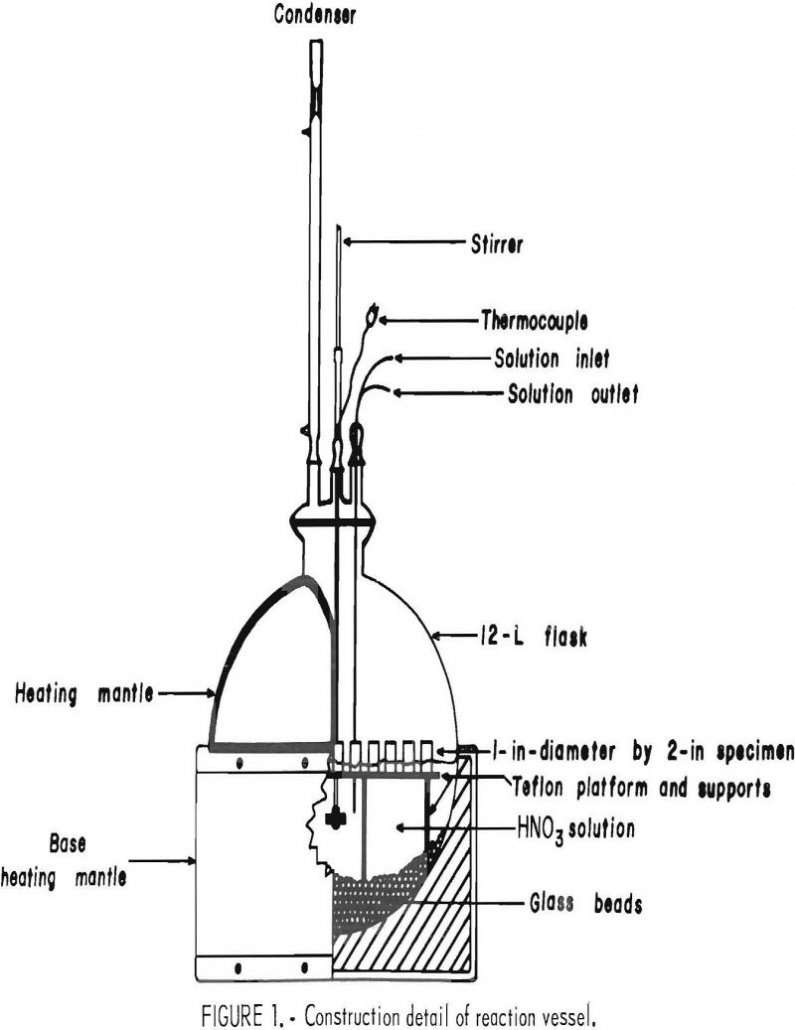
New mineral processing techniques being investigated by the Bureau of Mines and others, such as processing at elevated temperatures, leaching with acids and bases, chloride leaching, and dissolution in fused salt baths, may require the use of construction materials that, have good corrosion resistance. One example is the construction material needed to line leaching vessels […]
Aluminum Chloride Hexahydrate from Kaolinitic Clay
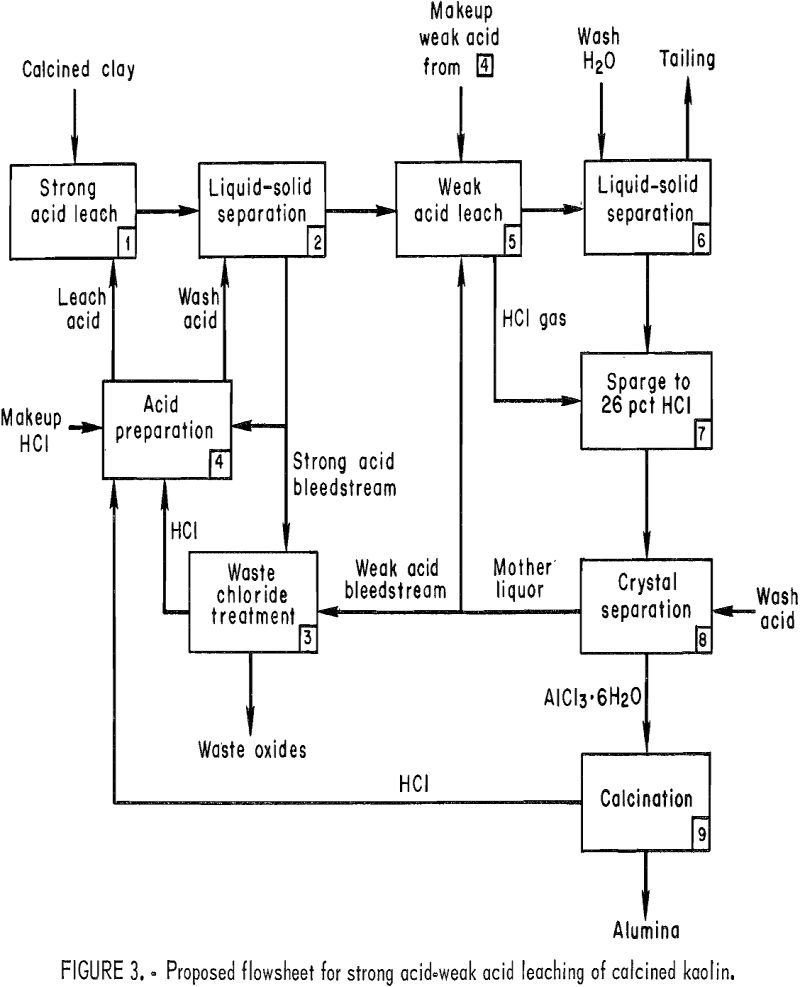
There has been considerable interest in developing methods to economically produce cell-grade alumina from nonbauxitic materials. In the United States, this interest stems principally from a lack of sufficient bauxite deposits suitable for Bayer processing. In 1973, the Bureau of Mines initiated a program to study the options available for recovering alumina from domestic resources. […]
Cyanide Biodegradation
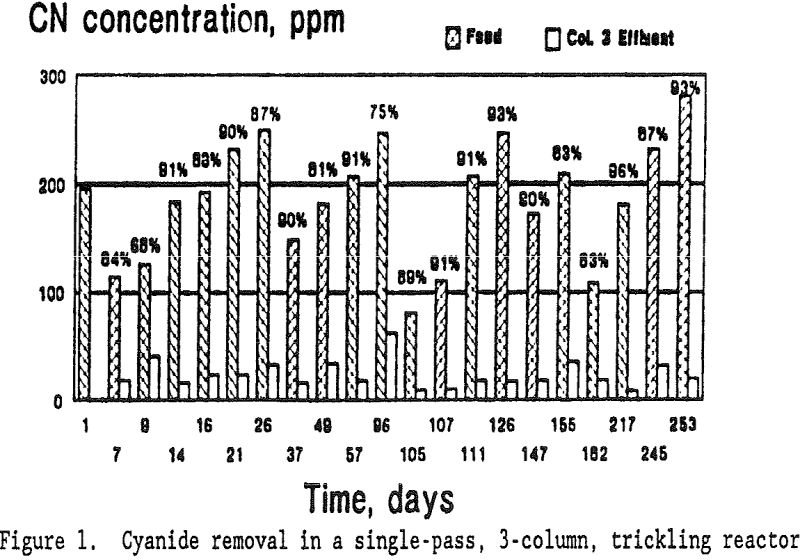
Management of mine drainage and mineral processing waste systems is a serious problem that could have major impacts on the U. S. mineral industry. Federal legislation (established by the Superfund Amendments and Reauthorization Act of 1986) provides that preferred remedial actions are those treatments that permanently and significantly reduce the volume, toxicity, or mobility of […]
Microwave Digestion Systems
Microwave Digestion Systems (MWD) were popularized by the US Bureau of Mines (USBM) back in the early 1980’s. The USBM published a series of papers on the topic and discussed the advantages of the system. Basically MWD is used to replace the traditional hotplate or digestion block digestion systems employed for sample digestions. This system […]