Environment & Tailings
Recycling and Disposal of Solid Mining Wastes
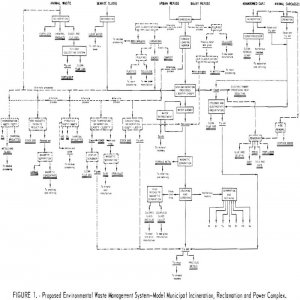
The Interior Department’s Bureau of Mines has always considered the waste products and scrap generated by the mineral and metals industries and the consuming public

The Interior Department’s Bureau of Mines has always considered the waste products and scrap generated by the mineral and metals industries and the consuming public
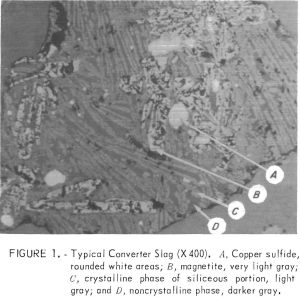
The bulk of the world’s output of copper is produced by smelting copper sulfide flotation concentrates in reverberatory furnaces, followed by oxidizing the matte to
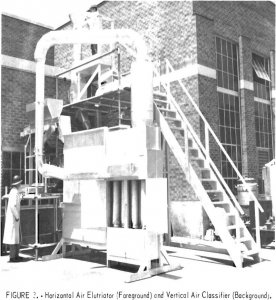
Two major methods are available for effective recycling of metallic values in discarded automobiles. The first of these is the incineration, din- mantling, and baling
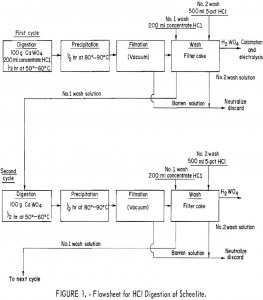
We demonstrated techniques for the electrowinning of tungsten directly from scheelite concentrate. The major problem with direct electrowinning is the accumulation of lime (CaO) in
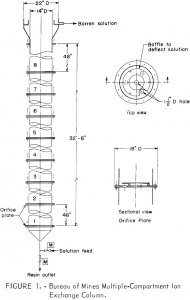
Ion exchange techniques have been used to recover uranium from waters pumped from uranium mines in the Ambrosia Lake district of New Mexico since about
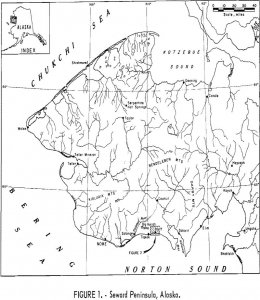
Placer and lode gold deposits near Bluff, Seward Peninsula, Alaska (fig. 1), were investigated during July and August 1966. The primary objective of this Bureau
During roast, virtually all the iron in the concentrate feed is converted into zinc ferrite which remains almost inert in the neutral-leach stage. In order
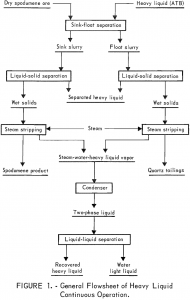
We are continuously engaged in research activities to develop or improve methods of utilizing our mineral resources. One such method, heavy liquid separation (HLS), has
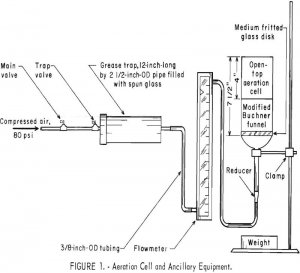
Under the conditions evaluated in this investigation, the extraction of copper from an argillaceous ore was not affected by the addition of ammonia to a
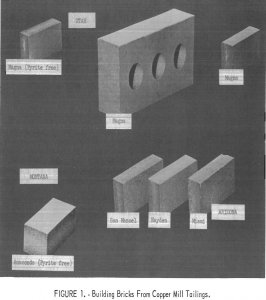
Most of the primary copper produced in the United States is derived from porphyry-type ore deposits located in Arizona, Montana, Nevada, New Mexico, and Utah