Classification
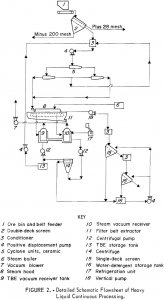
Heavy Liquid Cyclone Separation
Kyanite ore deposits occur in the Southeastern United States. The ore reserves in this area are estimated at about 100 million tons having an average

Kyanite ore deposits occur in the Southeastern United States. The ore reserves in this area are estimated at about 100 million tons having an average
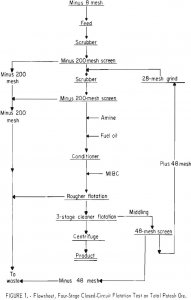
Potassium is one of the three basic plant nutrients along with nitrogen and phosphorus. There is no substitute for potassium compounds in agriculture; they are
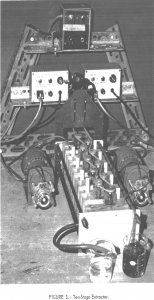
Waste products from the chlorination of rutile present a serious disposal problem because of the toxicity of some of the metallic ions when waste residues
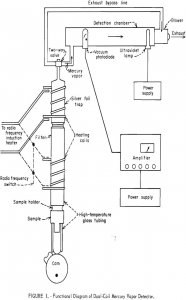
The Bureau of Mines recognized the need for a high-sensitivity mercury detector years ago and undertook the development of such an instrument at the Denver
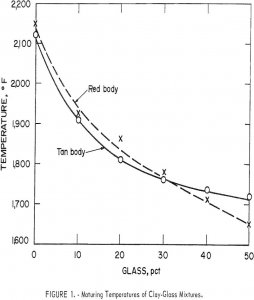
The Bureau of Mines Tuscaloosa Metallurgy Research Laboratory is conducting waste utilization research concerned with the development of building products from metal-free inorganic materials separated
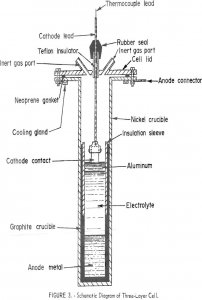
The Betts electrolytic process was for many years the only method available for debismuthizing lead Kroll suggested the use of calcium to form a high-melting-point
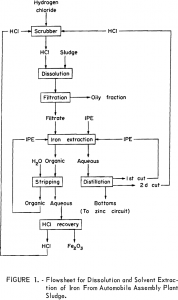
As part of its solid-waste research, the Bureau of Mines is engaged in a broad program to develop low-cost processes for recovering and recycling metals
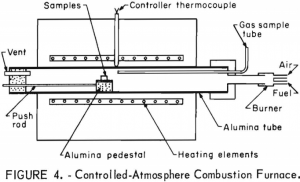
The use of controlled steel silicon content or the application of borax coatings showed promise in preventing molten copper from forming on the surface of
Our Solid Waste Program is directed toward three main areas of research: (1) Extraction of mineral, metal, and energy values from urban refuse; (2) recovery
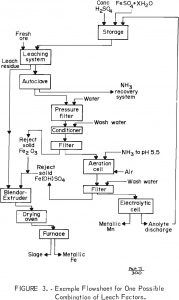
Demand for manganese continues to grow, but essentially all manganese used in the United States is imported. Although large deposits of low-grade manganese minerals are