Recycling
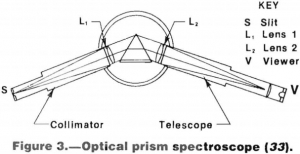
How to Identify Scrap Metals
Large quantities of scrap metals are discarded each year by industry and householders; recycling of these materials results in conservation of dwindling domestic resources and

Large quantities of scrap metals are discarded each year by industry and householders; recycling of these materials results in conservation of dwindling domestic resources and
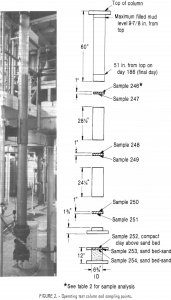
In 1979, as part of its minerals environmental technology research, the Bureau of Mines began a study of mine waste tailings disposal. Part of the
A slag formulation conforming to that used by a commercial mineral wool producer was used throughout testing. The composition of the test slag was as
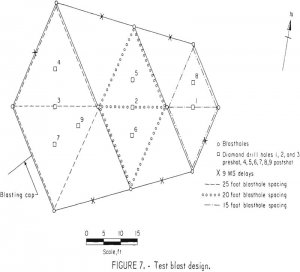
Some are developing fragmentation technology for in situ extraction systems. An in situ extraction system is attractive because it can be applied to deposits that
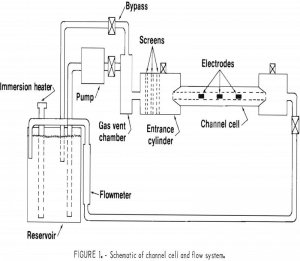
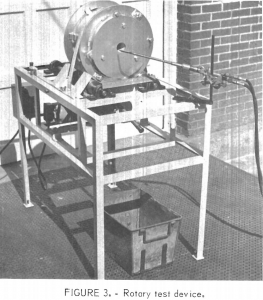
Increasing the relative motion of the electrolyte with respect to the electrode surface has long been recognized as a means by which the mass transport
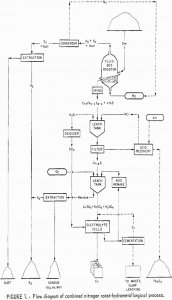
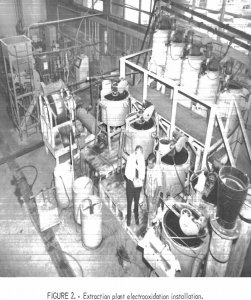
Present copper extraction technology is based principally on pyrometallurgical processing of sulfide concentrates in which high-temperature air-roasting and air-smelting generates large quantities of sulfur dioxide.
Mercury is customarily recovered from its ores by roasting sulfide minerals and condensing the vapors to obtain the metal. The process is efficient from the
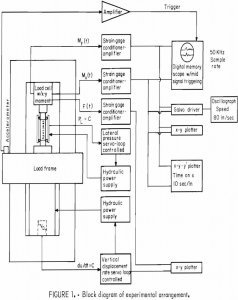
A scale-invariant theory of rock failure has been proposed that predicts precursor effects prior to failure, such as anomalous VP/VS behavior and tilt, will occur
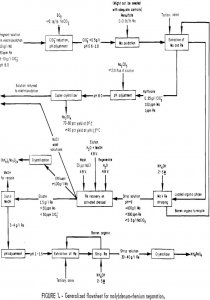
Projections for the expanded use of rhenium as a catalyst in the catalytic reforming of gasoline stocks to make low-lead gasoline prompted the Federal Bureau
Most copper is now produced from chalcopyrite flotation concentrate by smelting. While smelting achieves high recoveries of metal values at a reasonable cost, it is