
Silver Lead Zinc Ore Processing Method using Flotation
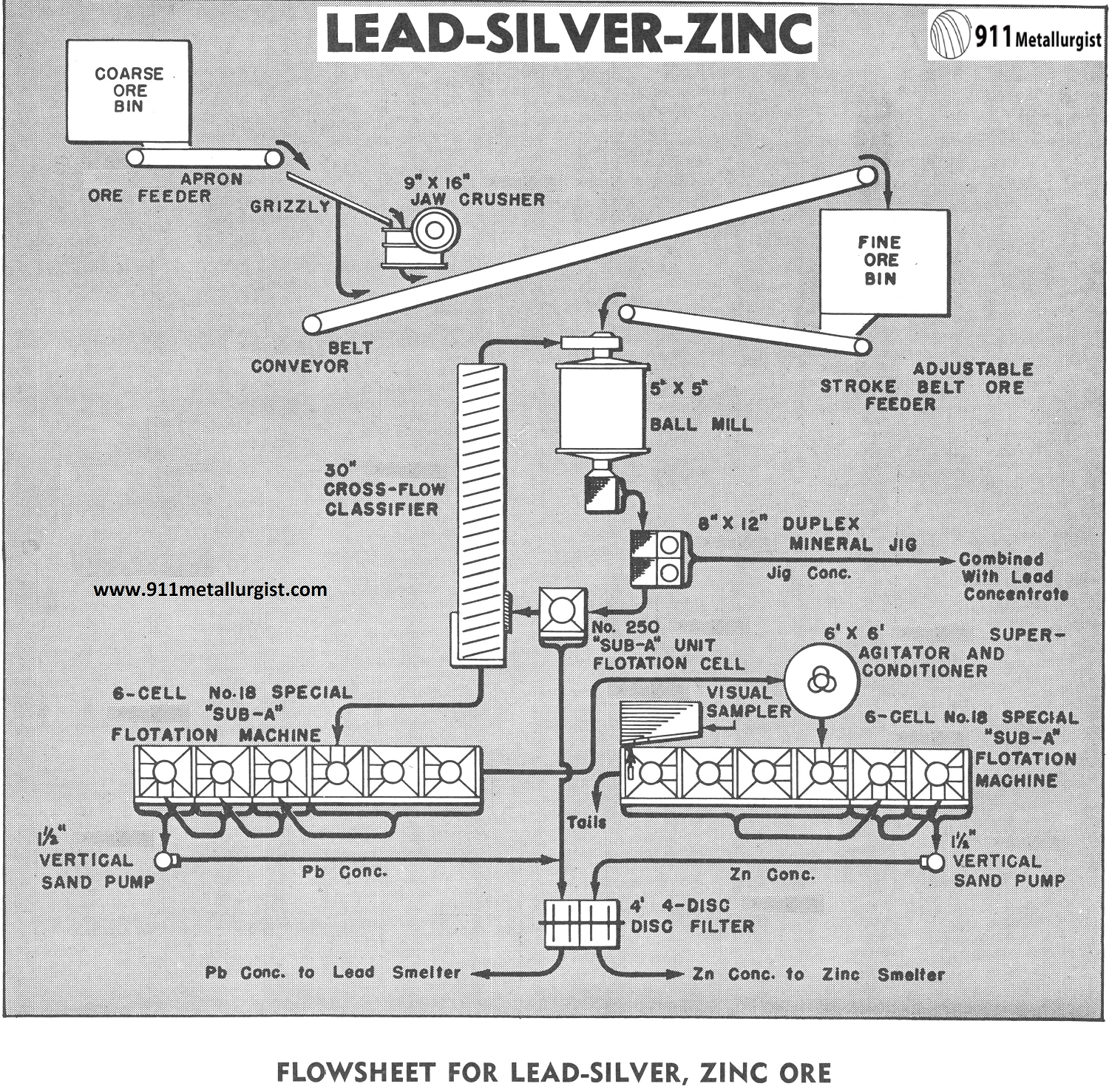
Sulphide ore of lead and zinc containing considerable silver was submitted for testing with the purpose of determining a flowsheet for the production of separate lead and zinc concentrates for marketing at their respective smelters. It is necessary to recover as much silver as possible in the lead concentrate as a higher return for this […]
Graphite Beneficiation Process
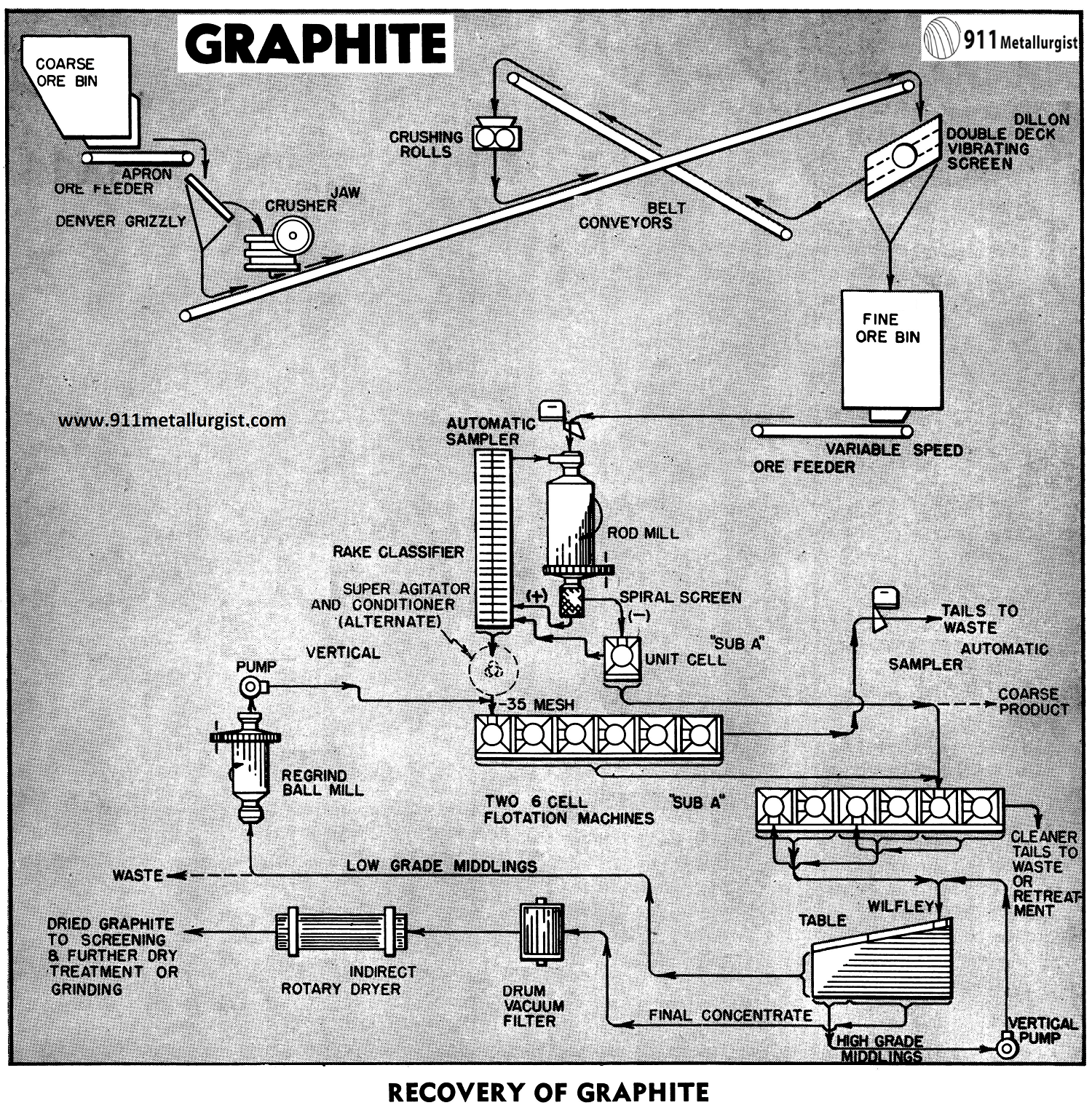
Graphite is an important industrial mineral. Two types occur in nature, crystalline and amorphus. Crystalline graphite is used principally for crucibles and shaped structures. Amorphus graphite is used extensively in the steel and lubrication industries. In many deposits the two types grade into each other and the ore is of such low grade that beneficiation […]
Small Gold Processing Plant
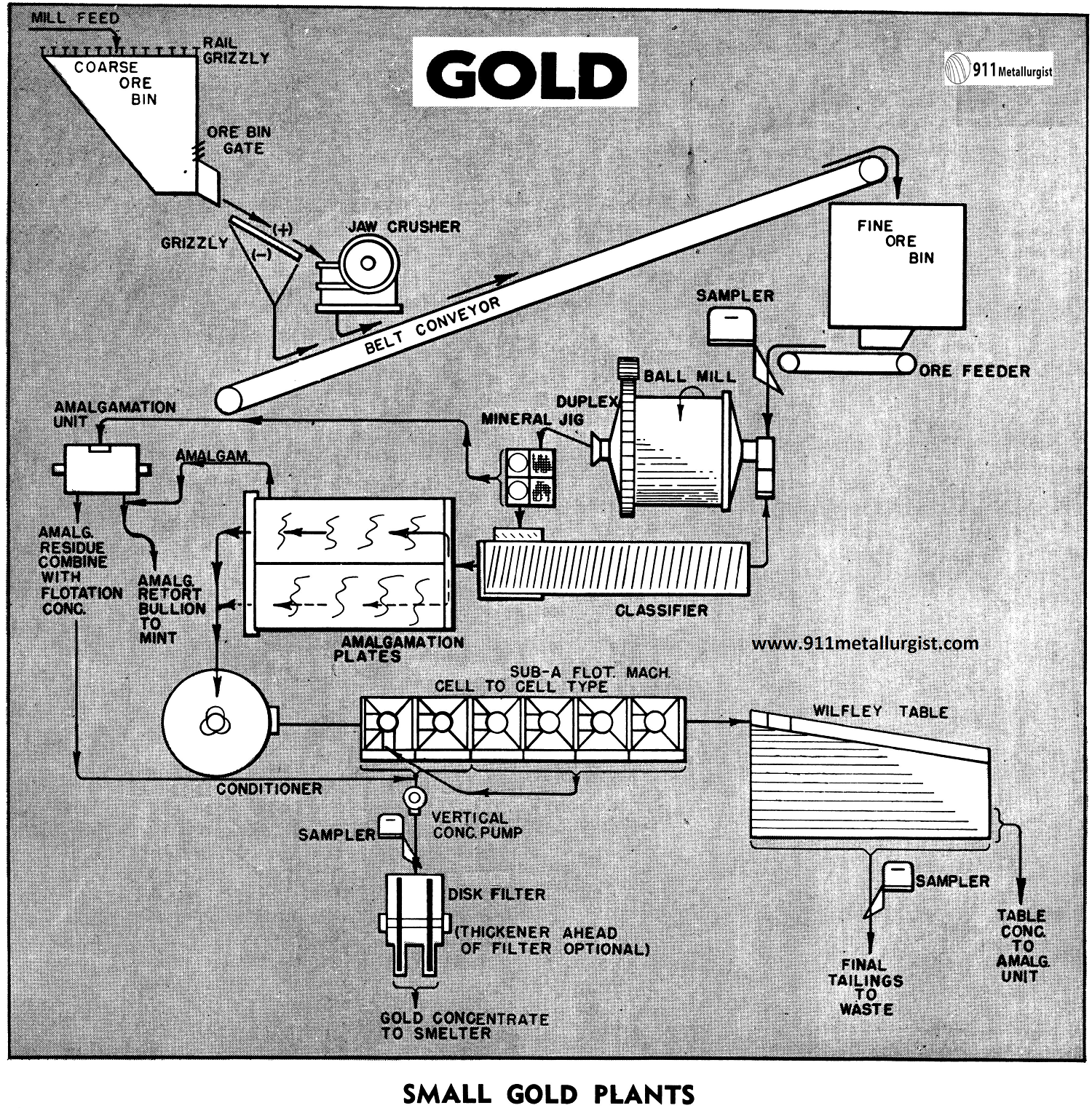
The problem a Small Gold Processing Plant can solve is for the need to to provide a small, relatively simple and inexpensive gold mill that will operate at a reasonable profit with a minimum of supervision. The limited availability of skilled operating personnel, availability of water and local power, high cost of transporting ore and expense […]
Sulphide Gold Ore Treatment by Leaching and Flotation
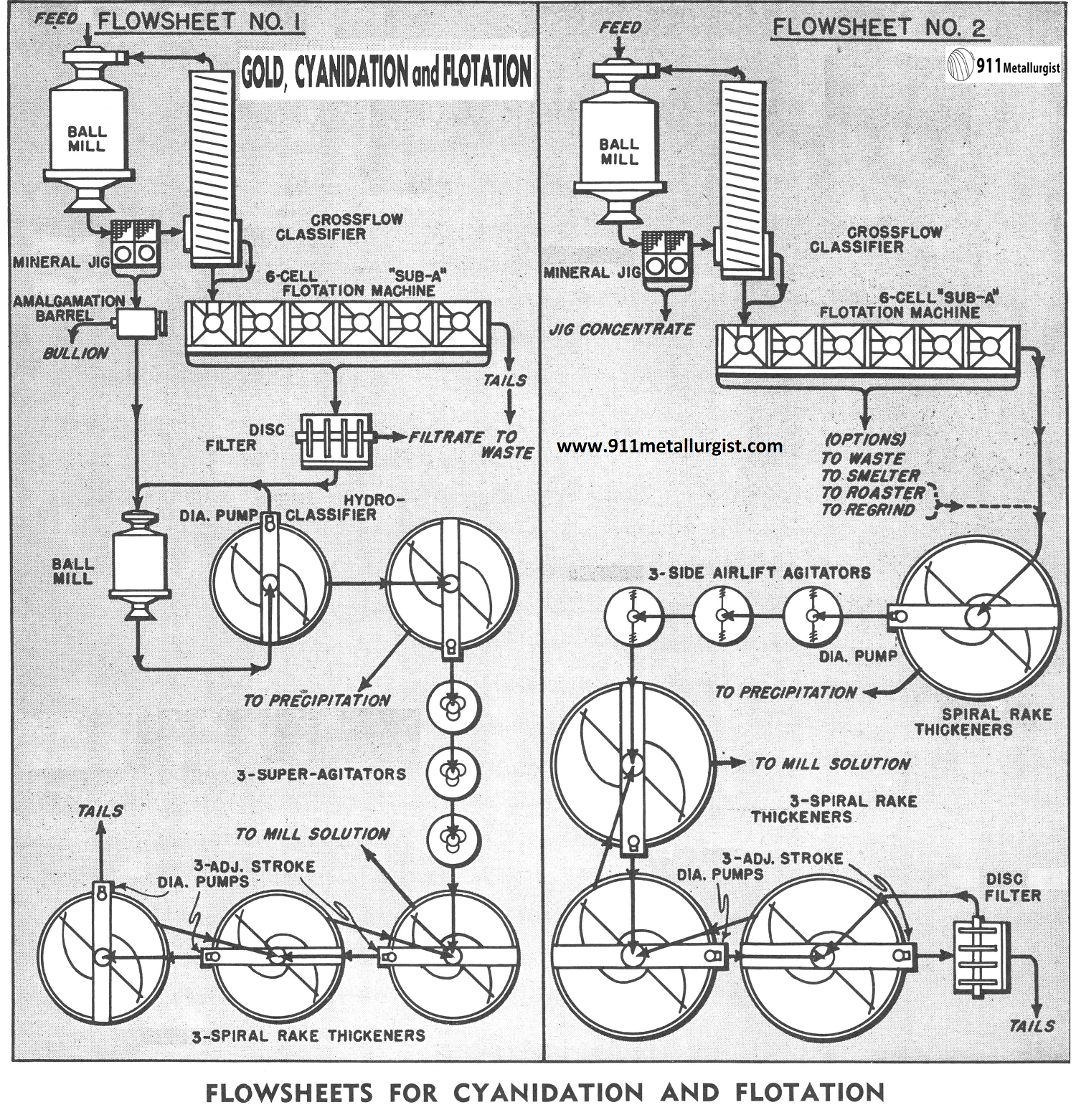
Problem with gold recovery from sulphide ore: How may a mill get the maximum recovery of gold from a sulphide ore, at the least capital cost and at the same time obtain the highest net return. This latter point is most important. In many cases a gold mill using an all-cyanide flowsheet with fine grinding of […]
Flash Flotation with Closed Circuit Grinding
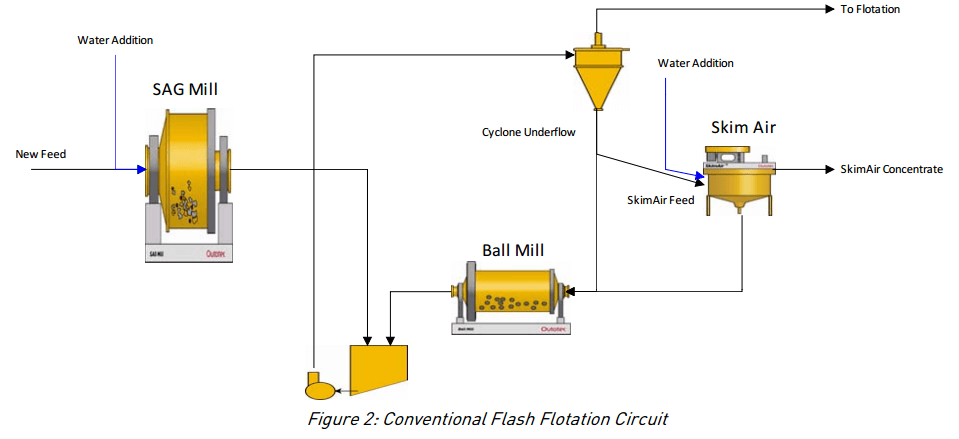
The reason why you need Flash Flotation in a Closed Grinding Circuit relates to “Recovering your mineral as soon as free” which has long been recognized in ore dressing practice. This not only applies to gravity treatment but also to flotation. For this application the Flash Flotation Cell was developed for use in the grinding circuit and […]
Easy Mill Expansion – Float Coarse at Higher Tonnage
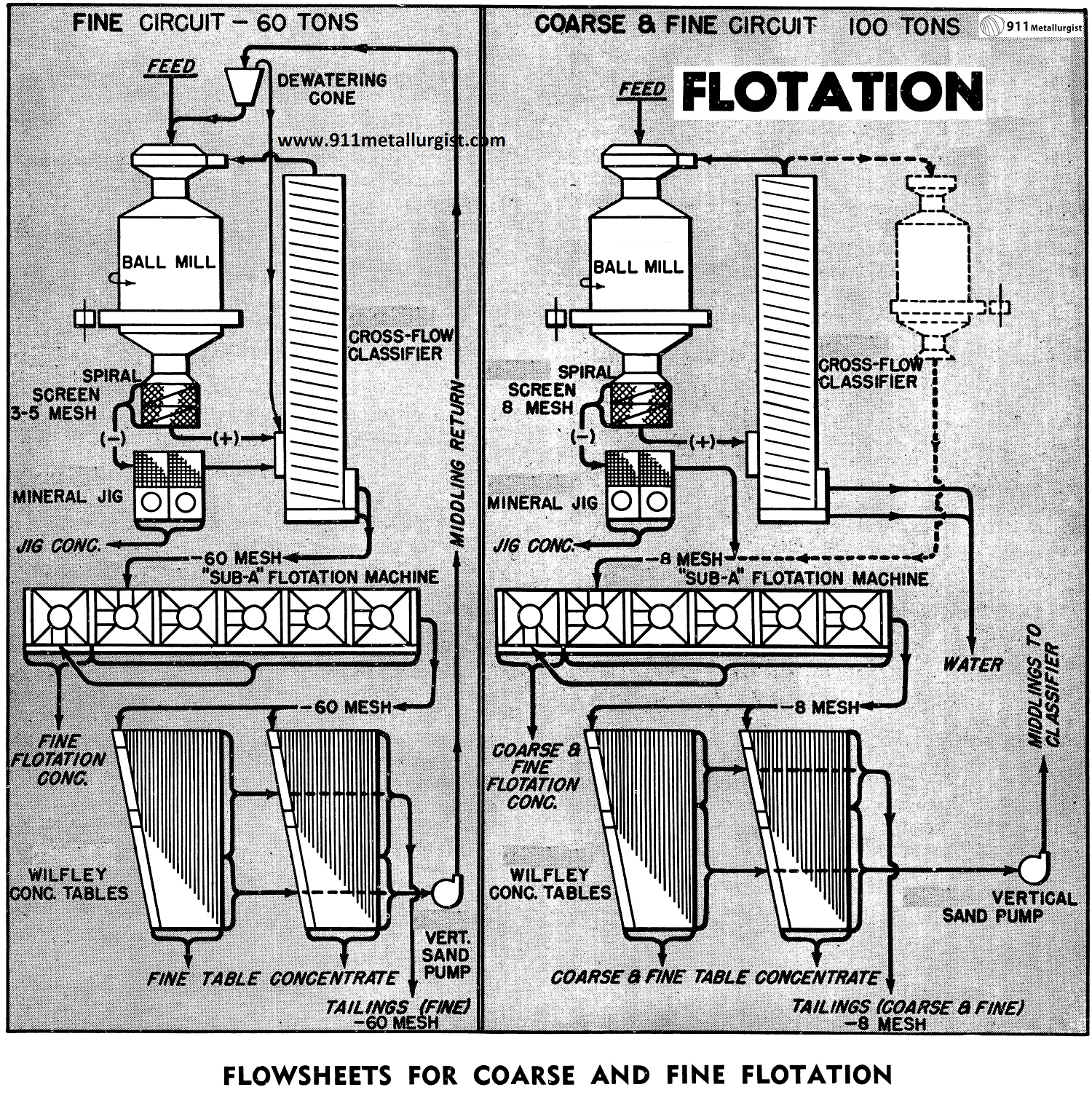
The Problem with Coarse Flotation and Recovery Many flotation plants today are grinding to fine sizes. This means that money is being spent grinding worthless gangue which might be discarded at a coarser mesh. Many plants are treating ores in which the gangue is free at a coarse mesh and where a coarse bulk concentrate […]
Chalcopyrite (Cu) Sphalerite (Zn) Separation by Flotation
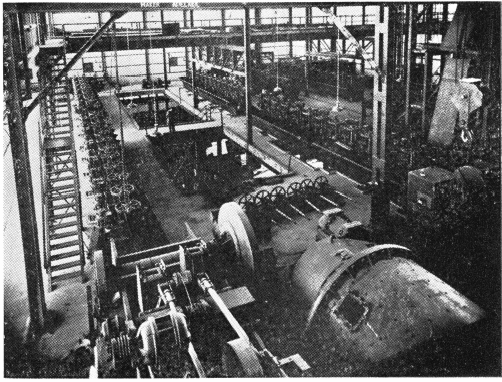
The Problem with separating Copper from Zinc by flotation The treatment of heavy sulphide ores of copper containing zinc and pyrite is often extremely difficult particularly if soluble copper and sulphates are present. This is usually the case in ore deposits near the surface or in tropical countries where the annual rainfall is quite high. The […]
Effects of Soluble Metals Flotation
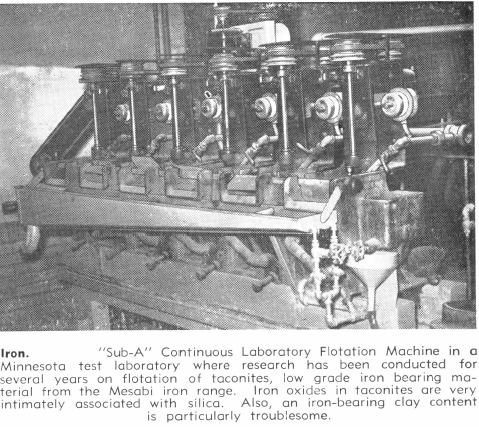
In concentration by flotation, the soluble components of an ore may play an important role. Occasionally ores that are shown by preliminary test to be unsuitable for flotation may be treated by the process after the soluble ingredients have been removed by decantation. On the other hand, excellent results may be obtained on certain ores […]
Slope of Flotation Slurry Launders for Froth Flow
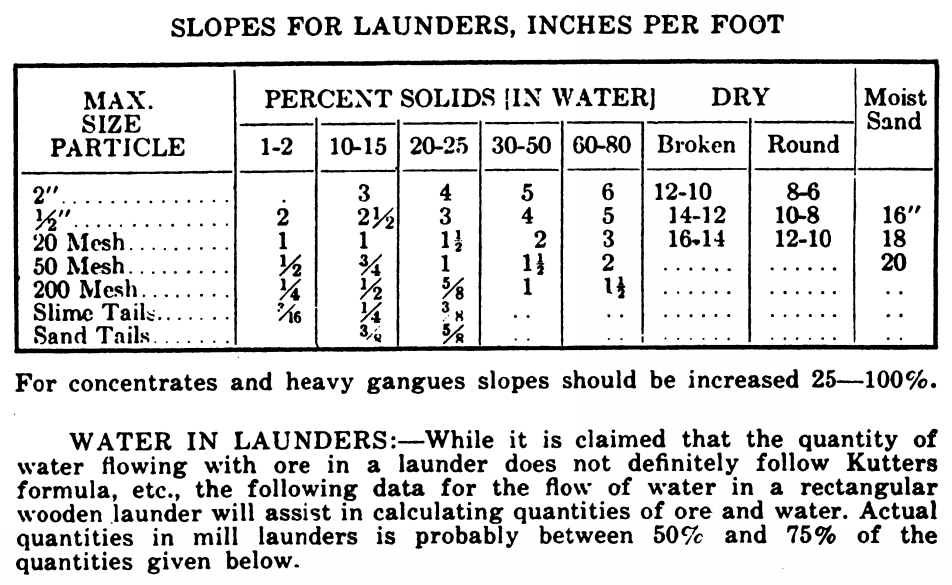
Launders should have high enough velocities to prevent particles from settling, or if they fall to the bottom, to keep them rolling and sliding. The depth of water should not be much over the diameter of the largest rolling particles. For concentrates and heavy gangues slopes should be increased 25—100%. SPRAY WATER IN LAUNDERS:—While it is […]
Preferential Flotation
‘Preferential’ flotation is a specialized application of the flotative principle in the separation of minerals from their ores. It gained its first wide use as a name for certain methods of floating minerals in connection with the Horwood process mentioned below. ‘Selective’ flotation has come to mean (by common consent) the flotation of valuable minerals […]