
D1 Laboratory Flotation Cell
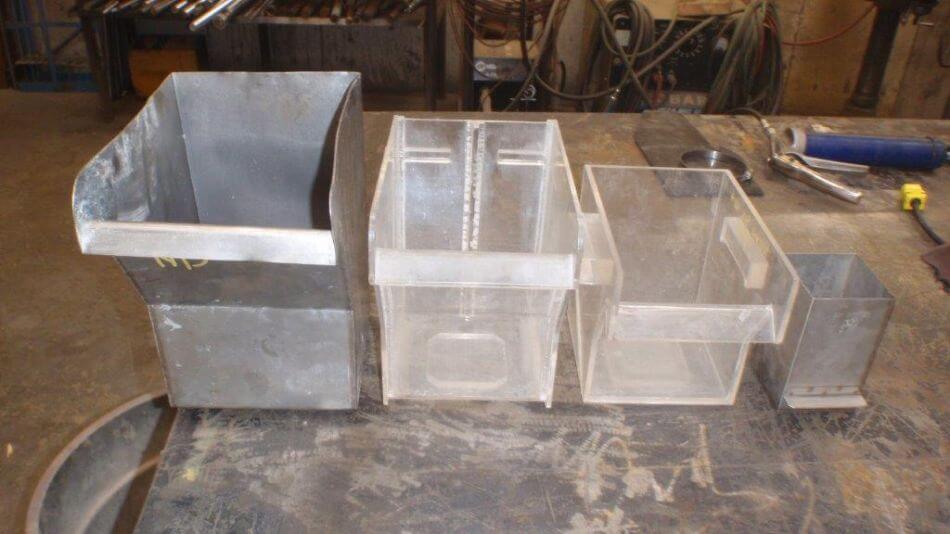
USED DENVER D-1 LAB FLOTATION MACHINE (4) TANKS TWO STAINLESS STEEL TWO PLASTIC TACHOMETER NEW BEARINGS INSTALLED NEW ADJUSTABLE DRIVE SHEAVE INSTALLED
Milling Methods and Costs
Flotation of Oxidized Silver-Lead Ore
Flotation of Oxide Silver + Oxide Lead Ore
Flotation Flowsheets
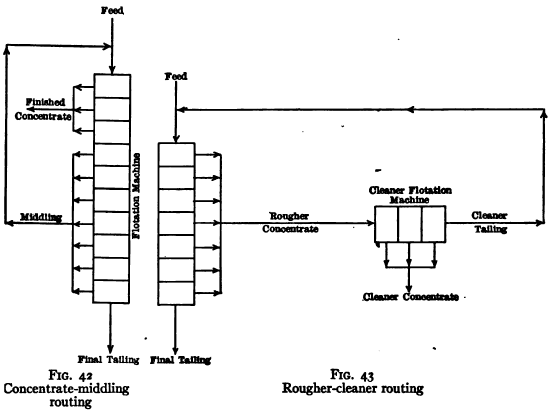
Typical flotation flowsheets may be classified into two general types on the basis of the part which flotation plays in the mill treatment scheme and each of these classes may be again sub-divided on the basis of the method of routing the pulp through the flotation machines. On the first basis, a flow-sheet is of the “primary” type when […]
Froth Flotation and its Machines
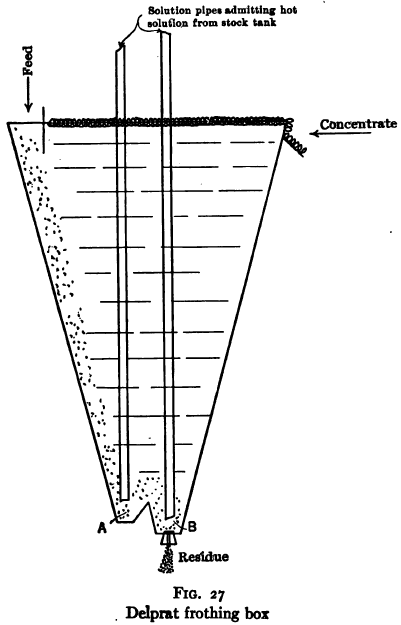
Pulp-body-concentration Processes The Potter and Delprat processes Now combined and known by the name Potter-Delprat process, are described in U. S. patents 735,071, 763,662, 768,035 and 776,145. As at present practiced the dewatered pulp is fed into an apparatus of the type shown in Fig. 27, which is from 10 to 20 ft. deep. Hot sulphuric acid […]
Laboratory Flotation Tests and Plant Results
Translation of laboratory results into terms of plant/mill-scale operations is, in the usual case, less difficult in flotation than in gravity concentration, and in all cases more certain than where chemical reactions such as occur in leaching and precipitation operations are concerned. Any flotation result that can be obtained in a laboratory machine can be obtained […]
Testing Flotation Oils and Frothers
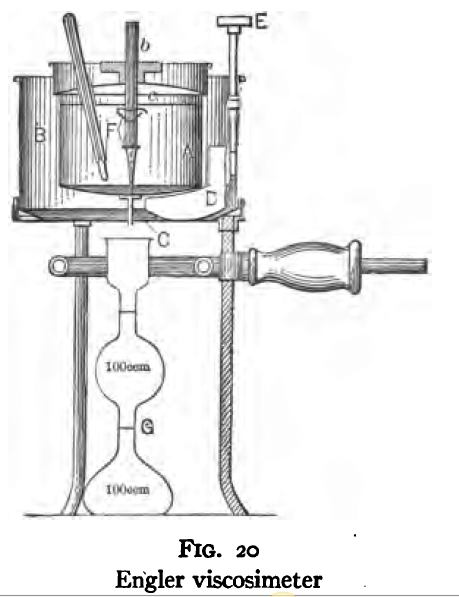
The usual purpose of oil testing in flotation work is to determine that the oil in question is similar in physical properties and therefore probably in its behavior in the flotation cell to a given prior shipment, or in order to set specifications for flotation oil purchase. The following tests will give such information. Color Color is […]
Flotation Process Development in Laboratory
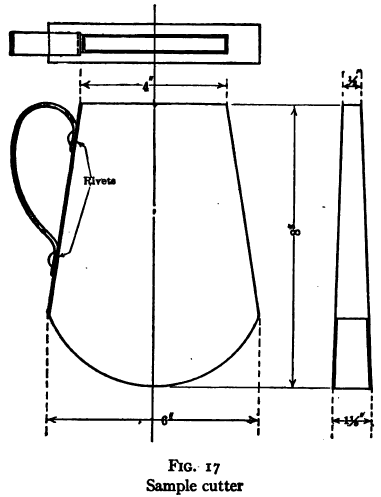
Differential and preferential flotation The pressing problems in differential and preferential flotation of ores are (1) the separation of lead sulphide from zinc sulphide, and (2) the separation of zinc and copper bearing sulphides from sulphides of iron. Methods seeking separation of one sulphide from another by flotation are of two classes, viz.: (1) those in which a difference […]
Metallurgical Testwork for Process Development
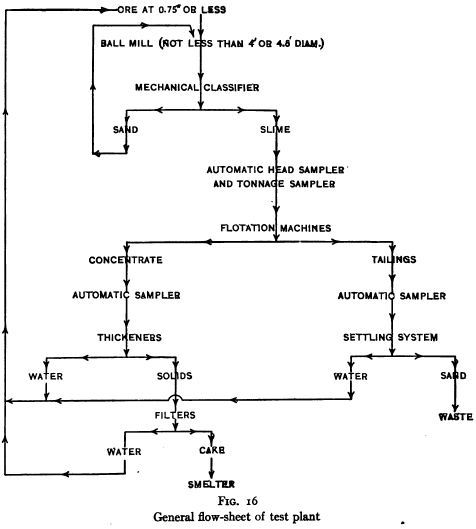
Mineralogy & Microscopy Amenability of an ore to flotation is best tested for by a microscopic examination of the ore followed by a few laboratory flotation tests. As stated in Chapter I, most ores containing minerals of metallic, resinous or adamantine luster associated with minerals of earthy, vitreous, or pearly luster, can be divided by froth flotation […]
Flotation Equipment and their Test Procedures
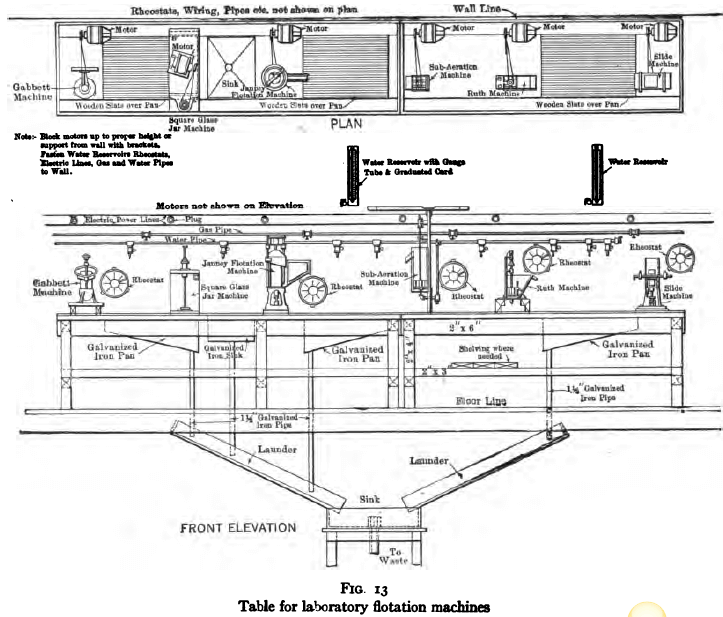
Practice in testing ores for flotation varies, of course, in its detail, from practice in testing work for other purposes, but in this as in other such work certain general principles apply. These principles would seem to be so obvious that they should not need to be enunciated, but the writer has found in going over the results of […]