
Recover PGM by Matte Smelting and Leaching
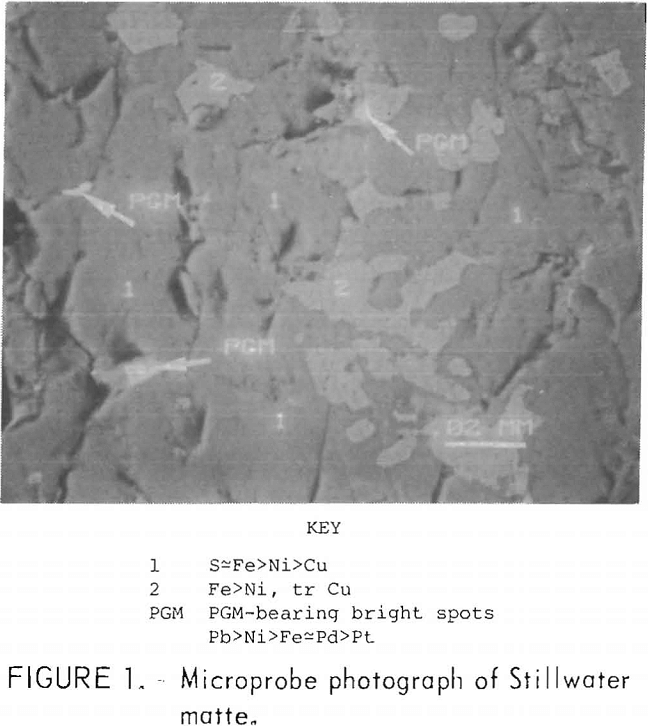
An important objective of Bureau of Mines research efforts is to investigate alternative technologies that may be applicable to domestic mineral resources. In addition, the Bureau seeks to avoid some of the difficulties or problem areas associated with conventional processing methods. In this regard, the Bureau has studied flotation concentration and extraction of platinum-group metals […]
Mineral Wool Furnace Refractories
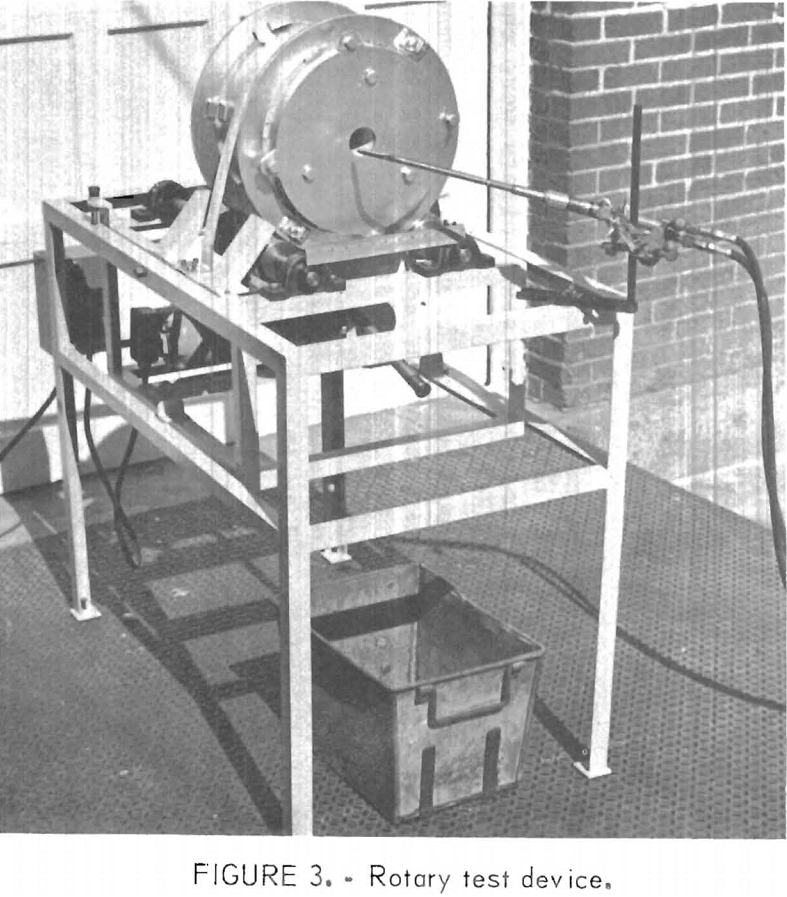
A slag formulation conforming to that used by a commercial mineral wool producer was used throughout testing. The composition of the test slag was as follows, in weight-percent: 9 copper-smelter slag, 41 lead-smelter slag, and 50 iron blast-furnace slag. Each component slag was crushed through 20 mesh, and a weighed amount of each was blended […]
Composition of Lead Sinter

Blast furnace smelting of lead began over 100 years ago. The preparation of feed for the smelting operation always has been an important factor especially the elimination of sulfur by roasting. Over the years roasting progressed from heap roasting to reverberatory roasting, blast roasting in pots, and finally to continuous blast roasting of thin layers […]
Heat Capacity Enthalpies of Cuprous and Cupric Sulfides
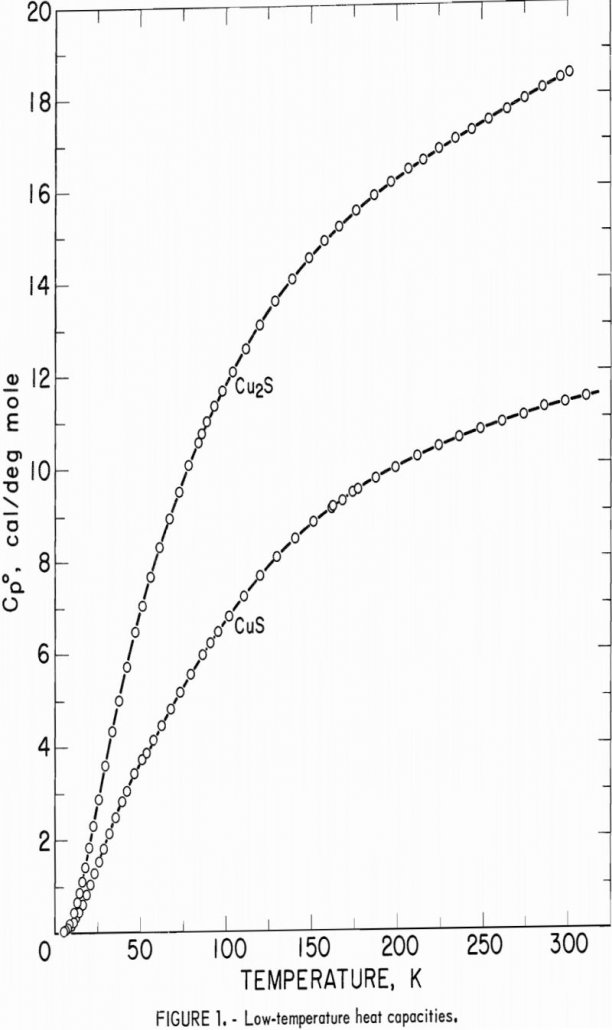
The present investigation of the low-temperature heat capacities and high-temperature enthalpies of synthetic cuprous sulfide and cupric sulfide is one in a series of thermodynamic studies by the Bureau of Mines on metallurgically important copper compounds. Despite the importance of cuprous and cupric sulfides in the processing of copper, thermodynamic data for these substances are […]
Use Sulfuric Acid to Recover Zinc
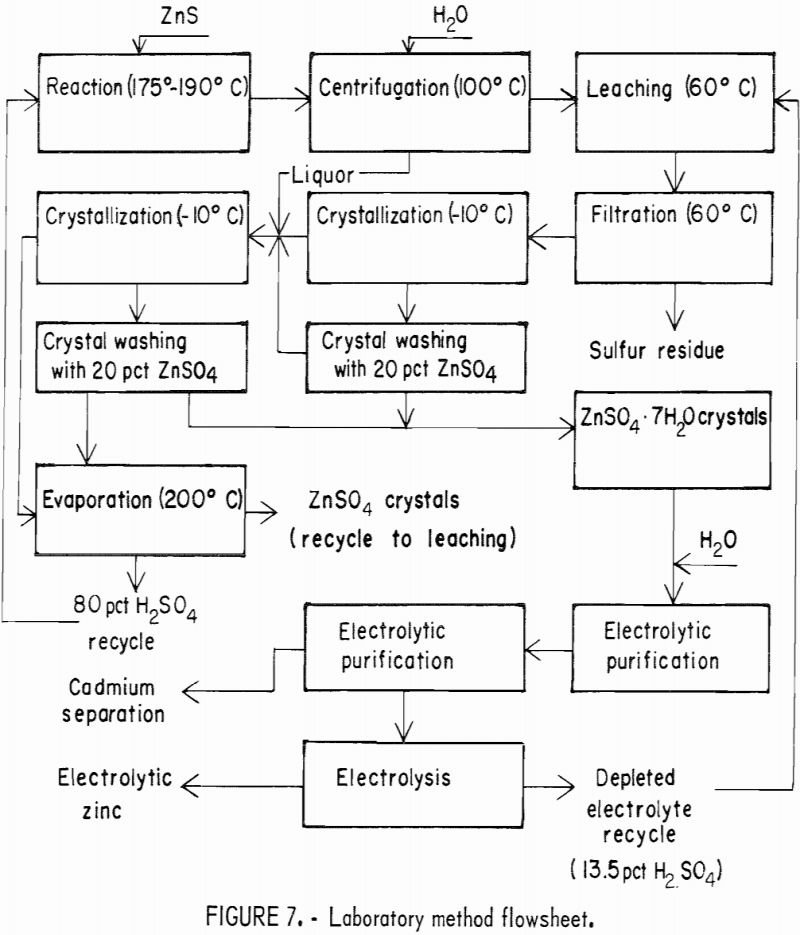
This investigation was conducted by the Bureau of Mines in support of its overall goals of helping to maintain an adequate supply of minerals and metals for future national needs with minimum waste and environmental degradation. The objective of the investigation was to develop a hydrometallurgical method of producing zinc from ZnS (sphalerite) concentrates without […]
Iron Oxide Pigments
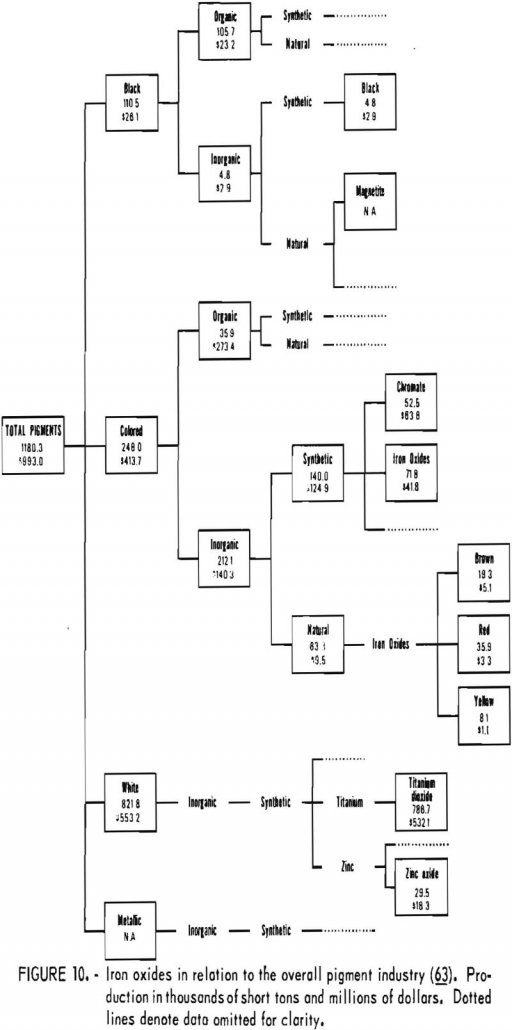
Until the late 19th century iron oxide pigments were obtained wholly from natural materials, generally with little alteration other than physical purification. In some cases roasting or calcination was also carried out. However, beginning in the first part of the 20th century, chemical methods were developed for synthetic production of commercial iron oxides. Synthetic production […]
Plastic Flow Under Biaxial Tension
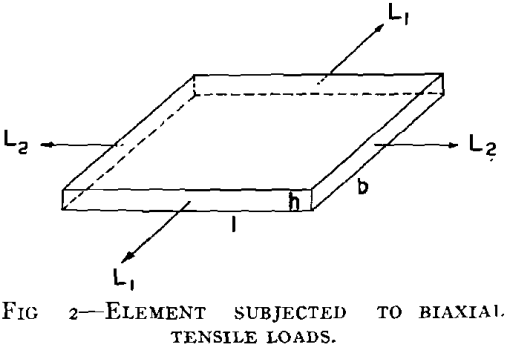
During the course of an investigation of the plastic flow of aluminum aircraft sheet under combined loads, several problems arose in which analyses of the conditions leading to unstable plastic flow were needed. In order to provide these analyses, and in the hope of attaining a better understanding of the general problem of unstable plastic […]
Riffle Sample Splitters
Stainless steel construction SEALED RIFFLE SAMPLE DIVIDER A riffle splitter with a hopper a feed gate at the bottom of the hopper is called a precision splitter. By eliminating the potential bias resulting from differing pouring motions, a increased accuracy of up to 1% is achieved. This simple sample riffle is made of stainless steel. […]
National Instruments NI 43-101 Technical Reports
National Instrument (NI) 43-101 is a Canadian mineral resource classification system used to guide the disclosure of information related to mineral properties. Any company, foreign or domestic that lists on stock exchanges overseen by the Canadian Securities Administration (CSA) are required to abide by the NI 43-101 rules and guidelines for distributing information related to […]
Sinter Reduction
First, the relation between straight lime basic sinter’s susceptibility to disintegration and basicity was examined under various boundary conditions. Some selected results are shown in Figure 2: for variable fuel rates disintegration is governed by various influence factors: first, there is the well-known maximum as a function of basicity. More surprising is an additional effect: […]