Hydrometallurgy
Solvent Extraction of Nickel and Zinc
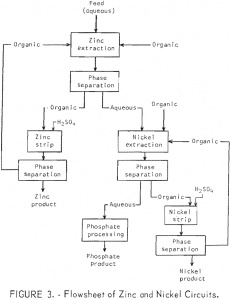
Solvent extraction of a waste solution from the phosphating of automobile bodies led to the following conclusions: Separate zinc, nickel, and phosphate products, essentially free

Solvent extraction of a waste solution from the phosphating of automobile bodies led to the following conclusions: Separate zinc, nickel, and phosphate products, essentially free
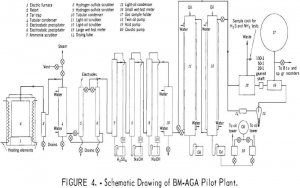
Destructive distillation was demonstrated to be a technically feasible method of disposing of and obtaining potentially valuable products from scrap automobile and truck tires. The
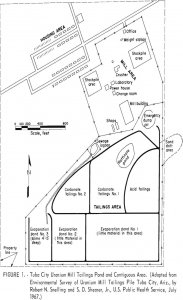
An environmental radiological survey was conducted on the El Paso Natural Gas Co. uranium tailings pile at Tuba City, Ariz., in May 1967, by the
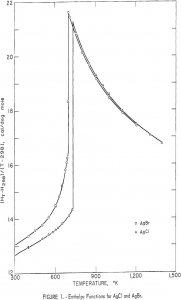
Adequate values for the standard heats and entropies of formation of silver chloride and silver bromide are available. However, thermodynamic calculations involving these substances have
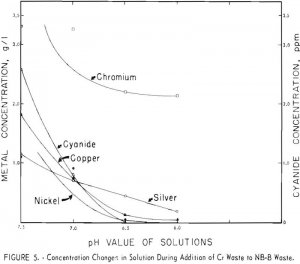
The waste-plus-waste treatment method can be successfully used on a variety of acid and alkaline electroplating wastes. The method is economically attractive because of the
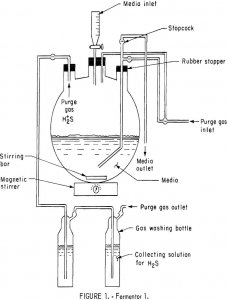
During the period 1960-65 sulfur consumption in the United States rose 40 percent to 7.96 million long tons. Since 1963, while demand has exceeded production,
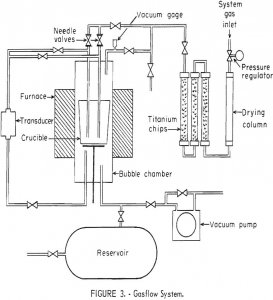
We been performing research on soft soldering with the objective of improving the strength of solder joints at elevated temperatures and pressures. Surface or interfacial
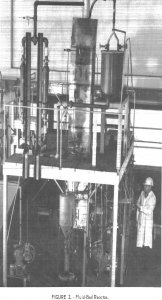
The Bureau of Mines Twin Cities Metallurgy Research Center is engaged in a study to uncover a cleaner, more direct pyrometallurgical process for winning copper
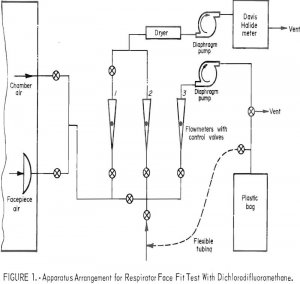
For the past few years there has been increasing interest among respirator users in determining quantitatively the degree of protection afforded by protective respiratory devices.
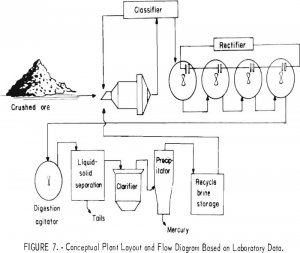
An aqueous oxidation treatment process developed by the Bureau of Mines has been shown to be effective for treating carbonaccous gold ores to improve gold