
Mining
Block Caving Mining Method
Block Caving has been developed to a high degree of efficiency in the last two decades and more particularly since World War II. At the

Block Caving has been developed to a high degree of efficiency in the last two decades and more particularly since World War II. At the
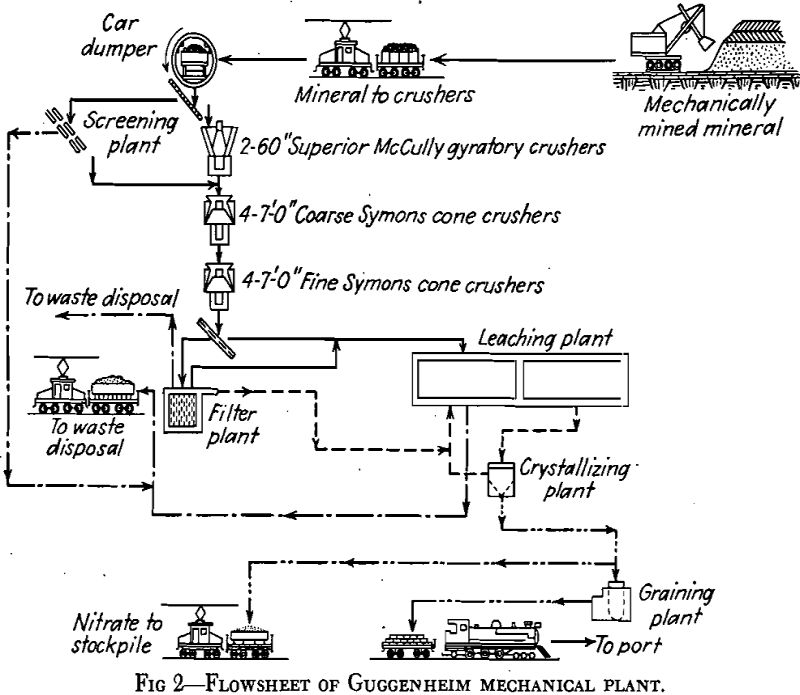
Chemical nitrogen and the “nitrates” of commercial significance are derived mainly from three basic sources: (1) the natural deposits in the form of nitrate-bearing earth
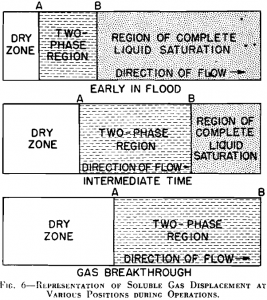
One-third to one-half of the original oil is left in most reservoirs even after thorough gas driving or waterflooding. In contrast, essentially all of the
The small ball mills and rake classifiers in the London concentrator were replaced by one large ball mill and one hydraulic classifier. This new ball
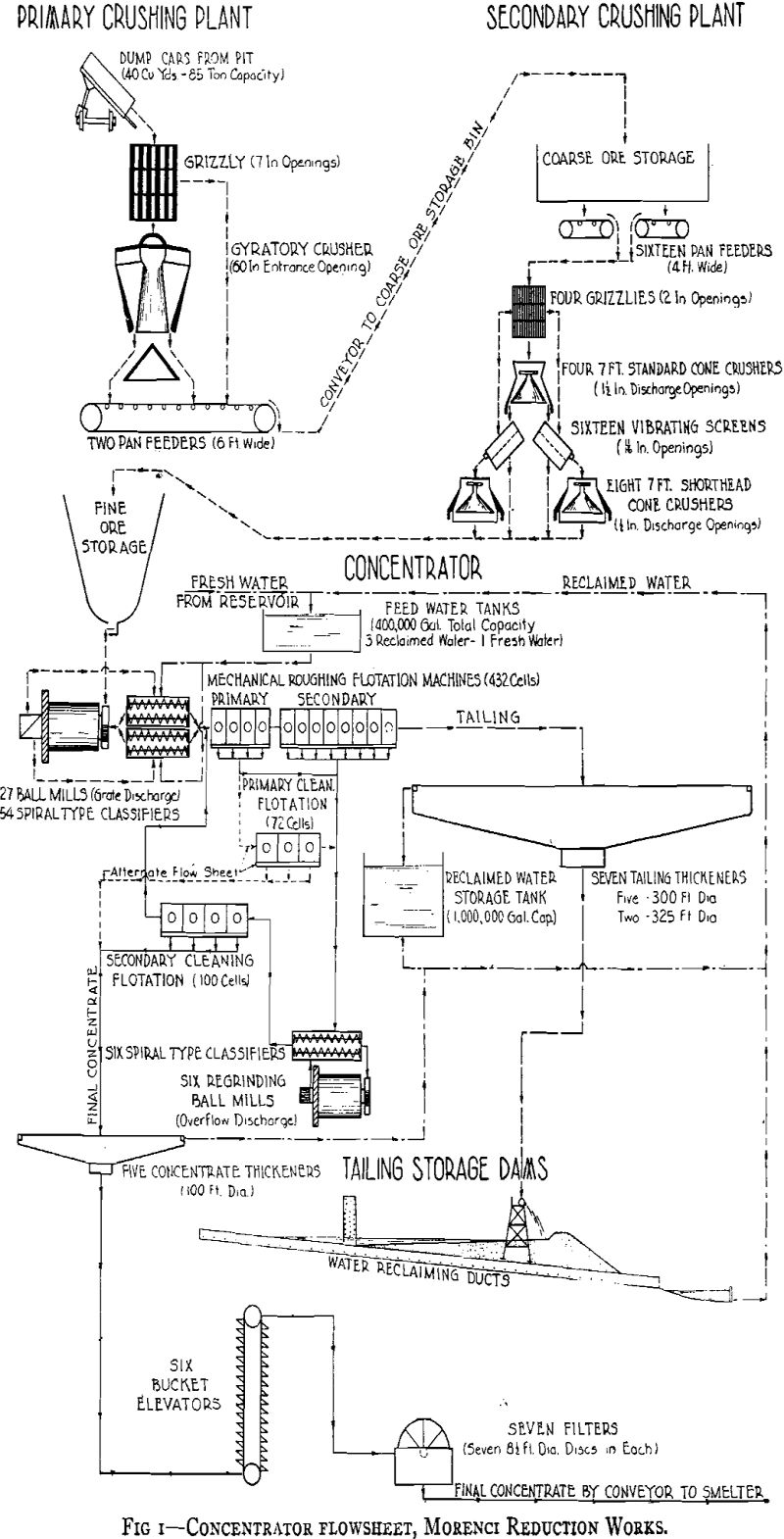
The Morenci concentrator of the Phelps Dodge Corporation is a part of the project that was completed after five years had been spent in development
Monazite formerly was described as moribund, but, in the light of recent developments, it is no longer so. It is the common source of the
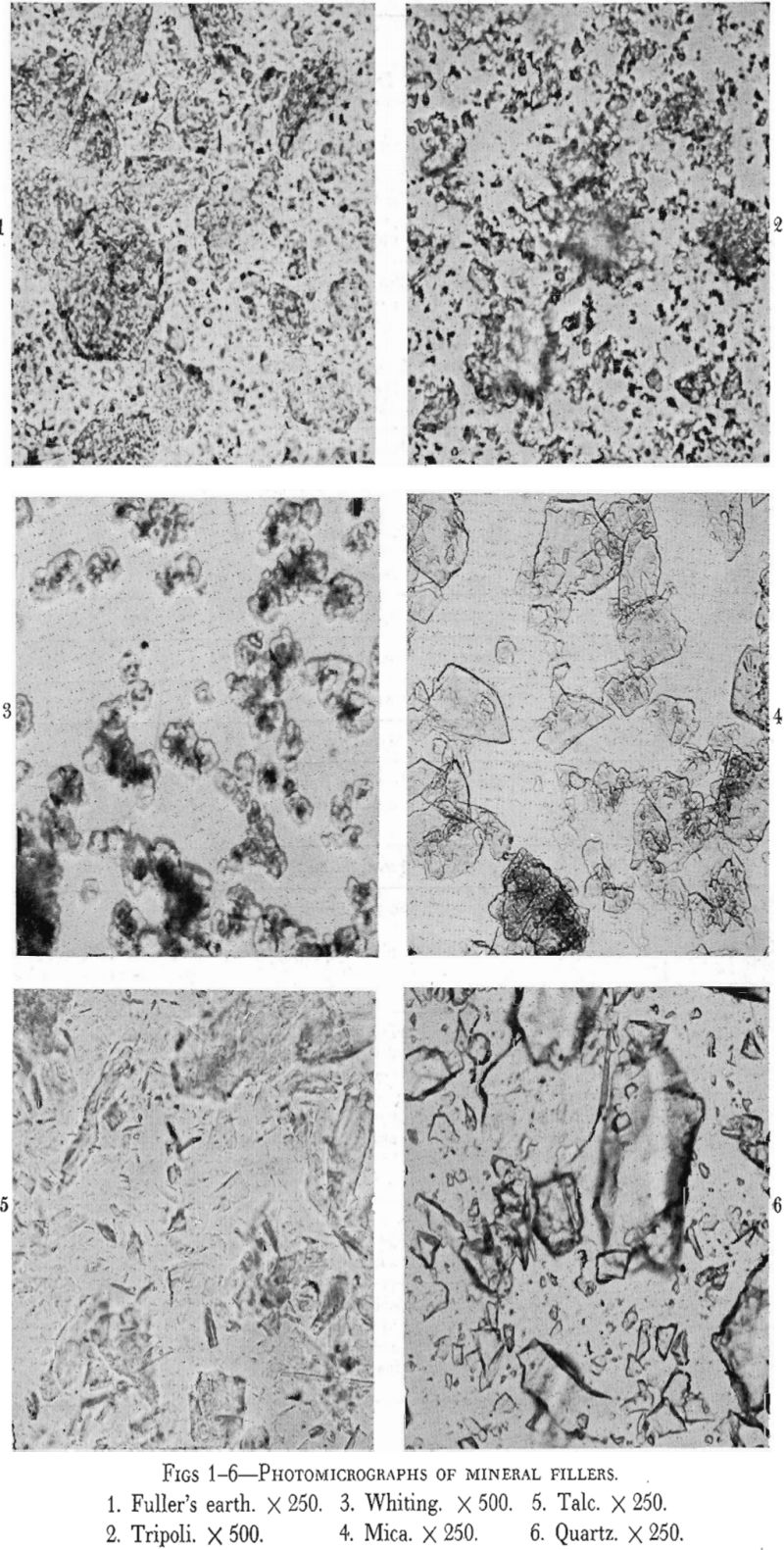
Powdered nonmetallic minerals and rocks of many different types are used extensively in industry for incorporation in compositions and manufactured products The term “mineral filler”
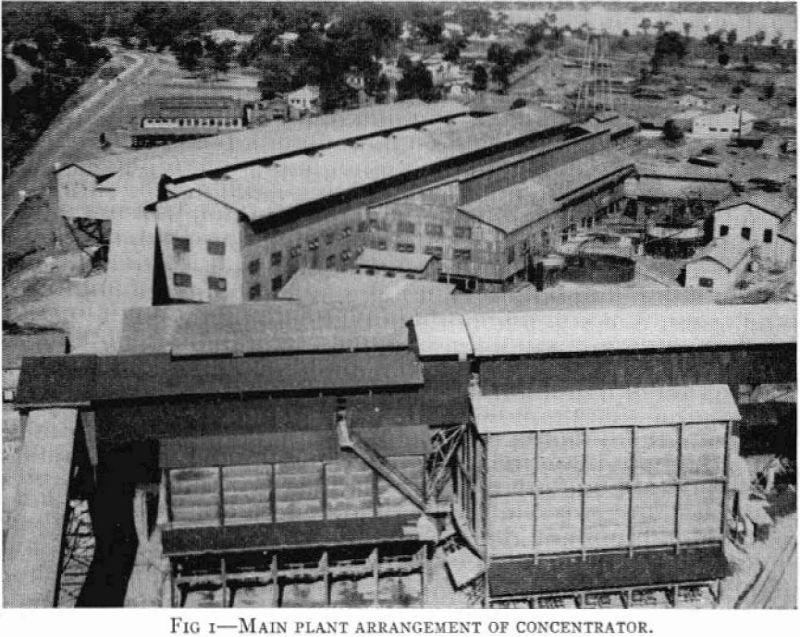
The Roan Antelope concentrator was originally designed with a nominal milling capacity of 6000 tons of copper ore per day but this was subsequently considerably

The transfer of kinetic energy of translation into other forms of energy by impact is a fundamental process in most crushing and grinding operations. During
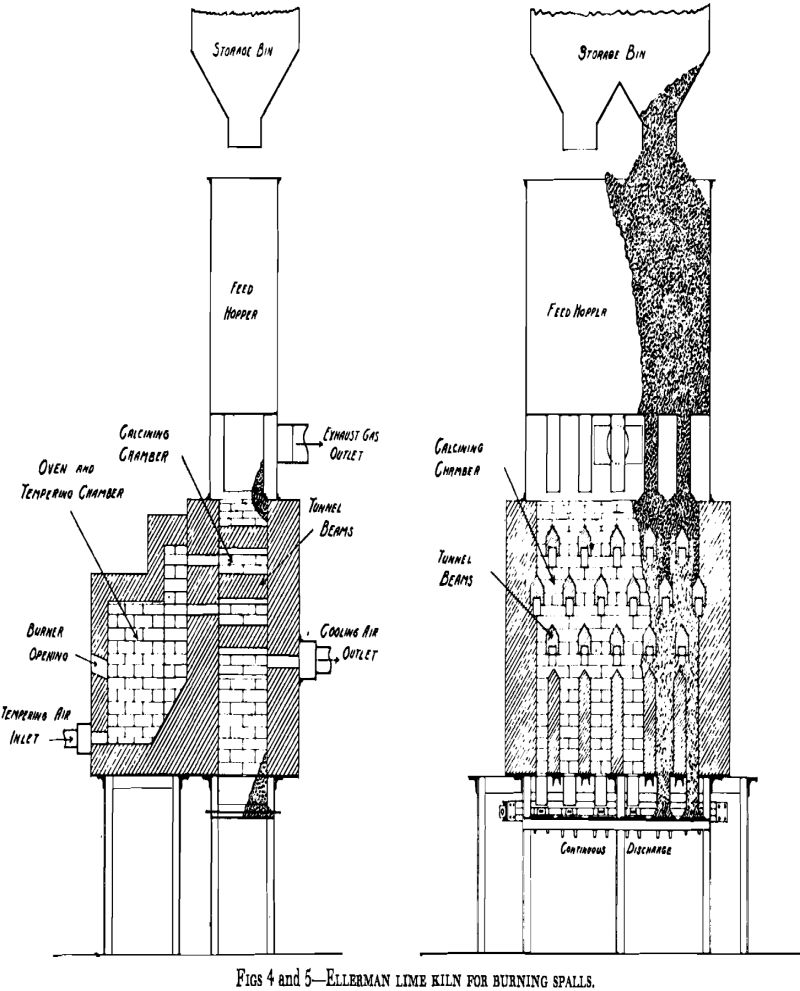
Lime is a very general term applied to products of limestone, in popular treatises often incorrectly, including ground or pulverized limestone used in agriculture. When