
Cyanide Concentration and pH to Depress Sulphides
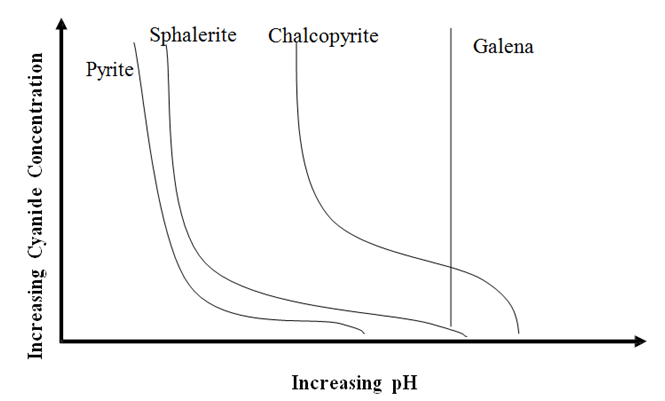
The chart displays how the Cyanide Concentration (how much NaCN) is needed to effectively Depress Sulphides like Pyrite, Sphalerite, Chalcopyrite but not Galena at various pH. It is pH that affects/impact the required effective concentration of cyanide. The higher the pH, the less NaCN is needed as CaO/Lime also acts as a Sulphide depressant. The use of […]
The Importance of pH in Flotation
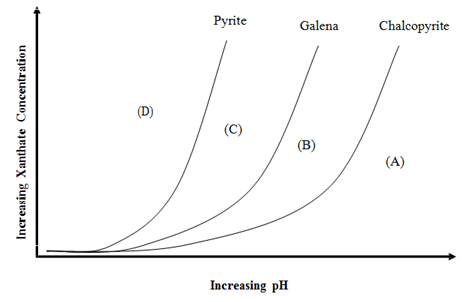
In flotation, pH control is a vital method to control selective mineral separation. A standard depressant that is used is an Alkali. An Alkali is any substance that when mixed with Acid will neutralize each other and form a new chemical substance called a BASE. This is very important. The ore may be either alkaline […]
Litmus Paper for pH Measurement
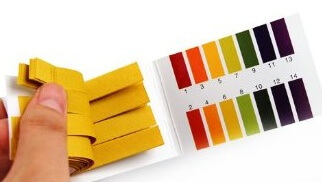
Litmus paper is paper treated with a blue dye that turns red when in contact with acids. The measurements are taken from the degree of color the paper turns, the deeper the red, the greater is the degree of acidity. Vice versa for alkalinity, the darker the blue, the more alkaline the substance is. A […]
Controlling Flotation Reagents
A flotation operator has two areas of control over his circuit, physical, and chemical. By physical controls I mean things such as the density, grind and the pulp levels of the cells. The chemical controls are normally only the amount of reagent flow, the type of reagent, and the point oe addition. To verify the operator’s […]
How Ore Variability & Mineralogy Affects Flotation
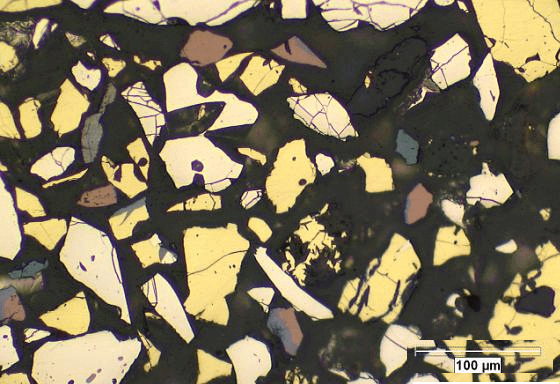
The third item on our list is ORE CHANGES. An ore change is recognized by a difference in the color of the froth, a change in the type of bubble and the amount of color that is in the froth. However these changes are not an indication of just the content of the ore fluctuating. […]
How Flotation Density Affects Recovery Performance
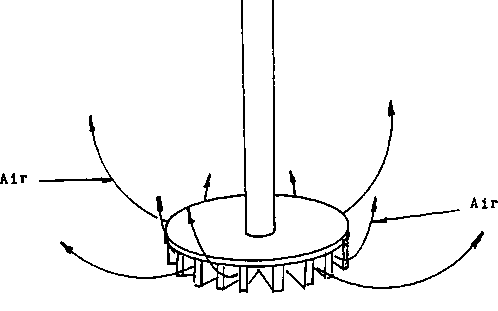
The next way that density effects the circuit is in the dispersal quality of the air and reagents. If the density is heavy, the chemicals may not be mixed thoroughly throughout the ore due to the poorer agitation. This may cause mineral losses due to the mineral not being able to come into contact with […]
How Mill Tonnage Affects Flotation and its Reagent Dosage
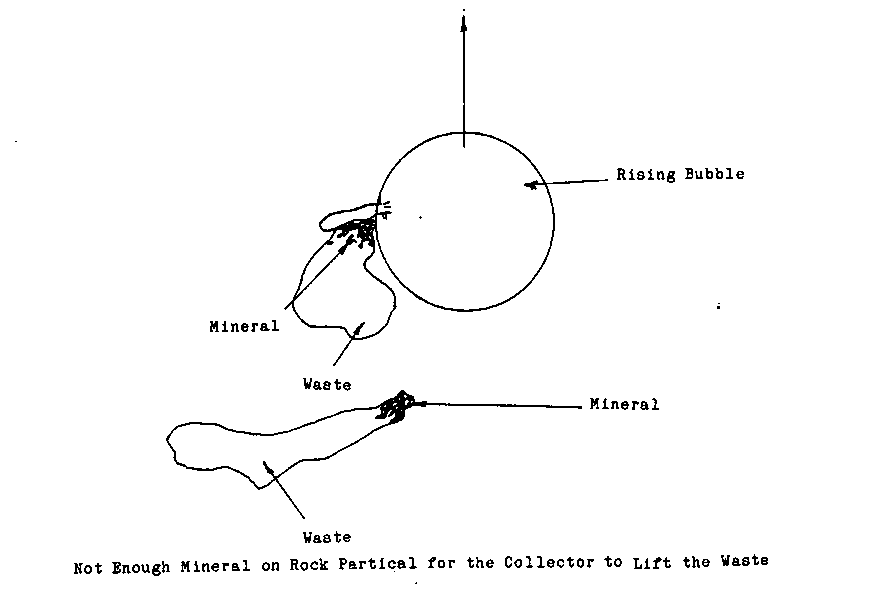
The first item on our list that an operator will be concerned with is the TONNAGE. There is a misconception common amongst operators to the effect that when reagents are added to the ore being processed, you are treating the mineral, or the amount of mineral that is in the ore. That is not correct. […]
Flotation Collector Manufacturers
There are several Flotation Collector Manufacturers, but may half-a-dozen really good ones. What makes a quality may Flotation Collector supplier is the dependability and consistency of the product. Yes price matters but trusting what you buy it worth a few pennies extra. Now would you select as a Flotation Collector Manufacturer depends on what you need. If you need […]
Flotation Collectors
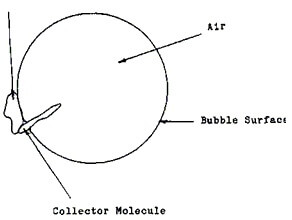
Simply said; a Flotation Collectors is a chemical used to make the surface of minerals, which is metallic, hydrophobic or in layman’s term ‘afraid of water’ or ‘water hating’ as others like to say. This chemical used will behaved, in a way, as a wax would when you applied it to your car. After wax (or […]
Lead Depression in Bulk Cu/Pb Flotation
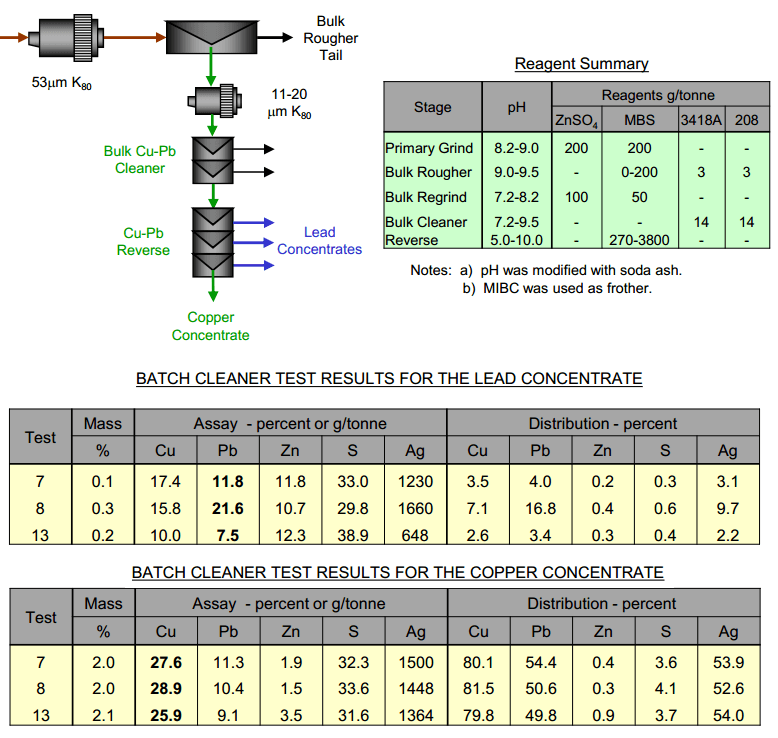
A series of tests were completed with bulk copper and lead flotation with the depression of lead and flotation of copper. This alternative utilized MBS as the primary depressant in both the bulk and reverse circuits. The challenge of this scheme is that the lead concentrate will be the tailings of the reverse circuit and will likely […]