
Froth Flotation of Tungsten Ore
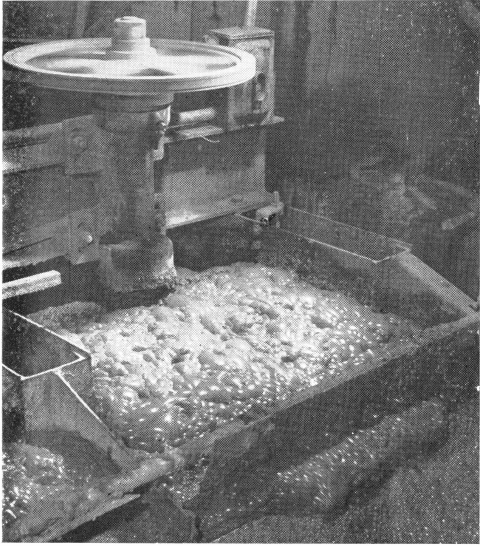
Scheelite (CaWO4) and Wolframite ((Fe,Mn)WO4) are the principal minerals of tungsten, but other important minerals include ferberite (FeWO4) and huebnerite (MnWO4) will also respond to froth flotation. The high specific gravity of these minerals makes many of these ores amenable to gravity concentration methods, however, the fine dissemination of mineral in gangue for some ores […]
Laboratory Flotation Testing
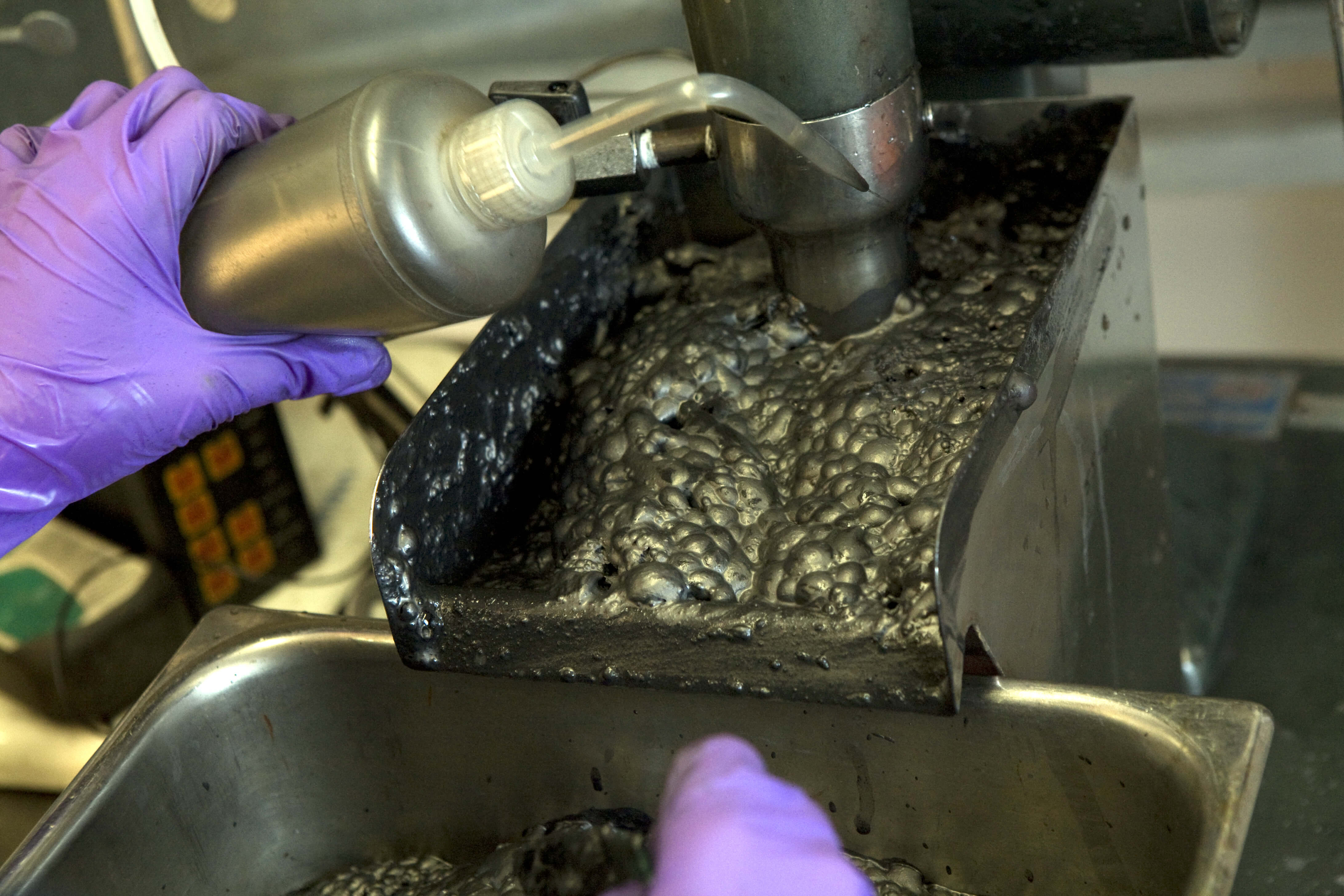
Batch Laboratory Flotation Testing starts from the 3 fundamental types of flotation processes or methods which can be classed as either: Bulk flotation Differential flotation Sequential flotation While all flotation processes are selective or differential in that one mineral or group of minerals is floated away from accompanying gangue, bulk flotation generally refers to separation […]
Agglomeration of Particles
Agglomeration is the formation of aggregate by the sticking together of feed and/or recycle materials, and it includes the formation of agglomerate nuclei. The main objective in agglomerating fines being the conversion of ores, minerals and chemicals of undesirable fineness into agglomerates characterised by a size consistency desirable for subsequent use or processing. In metallurgical […]
Froth Flotation System

Successful industrial practice has shown that froth flotation sytem needs to be viewed both at the plant level and at the research level as a highly interactive system consisting of equipment, chemistry, and operational factors. A long history of plant tests has shown rather clearly that it is not very fruitful to work in any […]
Flotation Machines
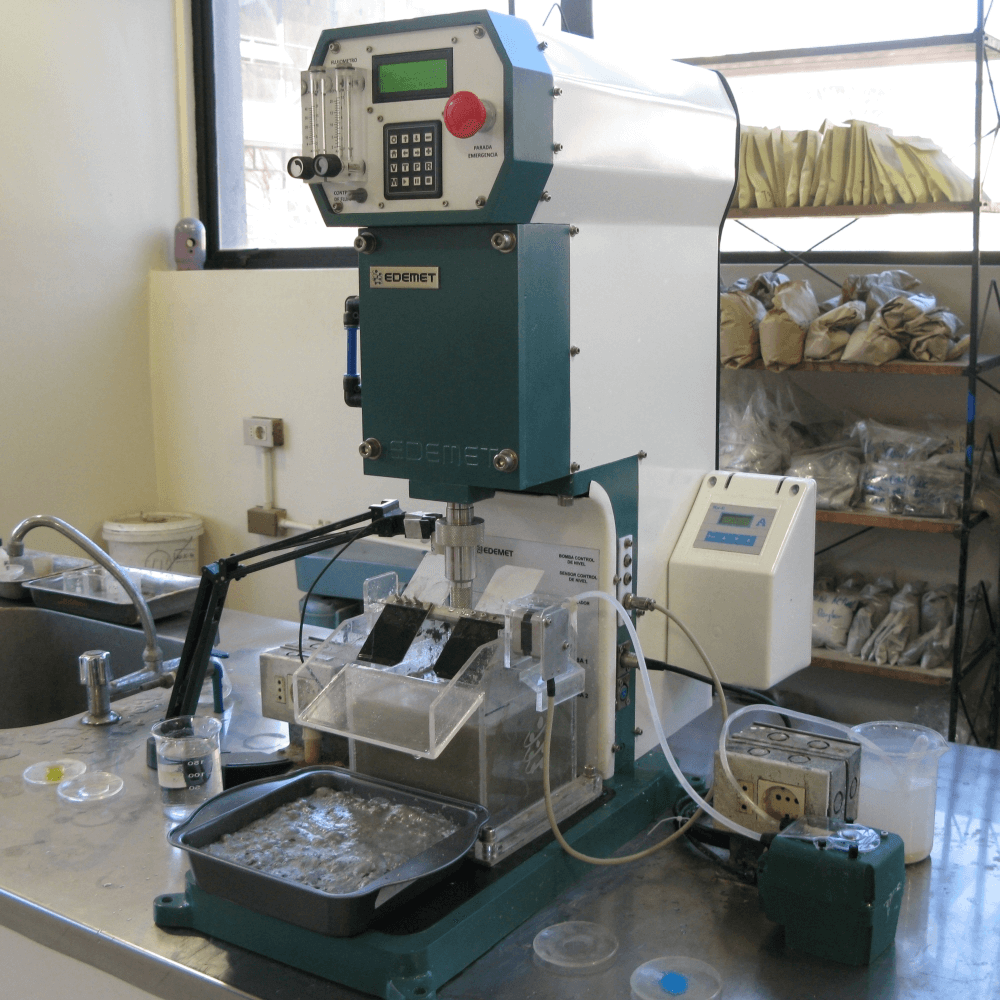
Industrial flotation machines can be divided into four classes: mechanical pneumatic froth separation column air-lift matless As pneumatic and froth separation devices are not commonly used in industry today, no further discussion about them will be given in this module. The mechanical machine is dearly the most common type of flotation machine currently used in […]
Flotation Frothers – Frothing Agents
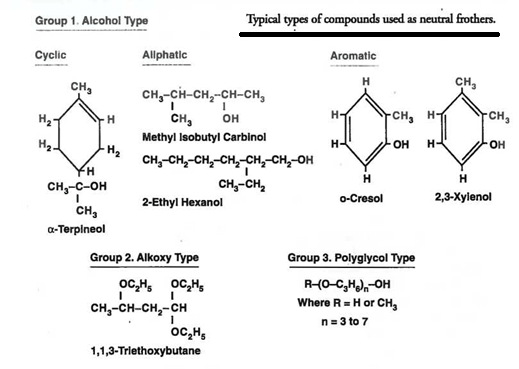
The next reagent that is added is the Flotation FROTHER. The frother strengthens the surface tension of the air that is injected into the flotation cell. As the air rises in the shape of bubbles, they come into contact with the mineral laden collector which attaches itself to the air. The bubble will continue to […]
Flotation Fundamentals

The separation of one component from another by flotation depends on the relative water-wetting ability of the surfaces of the various particle components. Many of the current chemical collectors in use are heteropolar, that is, they contain both a polar charged group and a non-polar uncharged group. When attached to a component surface, these […]
Large Scale Flotation Plants

Although froth flotation was originally developed for mineral separations in the early 20th century, the use of this process has been extended in the last twenty years. From a processing viewpoint, all of these seemingly different industrial uses can be treated using the same theoretical concepts (including equipment and basic underlying chemical reagent structures) that […]
Mineral Processing Froth Flotation

Froth Flotation is a mineral processing process achieving solid-solid separation by taking profit of the chemical attribute leading to the possibility of selectively controlling the relative surface hydrophobicities of the various components mixed in an aqueous medium. Froth flotation is the most common industrial process based on this approach. The term surface hydrophobicity refers to […]
Porphyry Beer

Porphyry deposits and Beer having something in common. Porphyry ore deposit form in large intrusions that acted as magma chambers feeding active volcanoes. You will remember that as the magma chamber cools from the outside inwards, barium, feldspar and quartz crystalize out so that the remaining melts becomes enriched in metals and volatiles. The volatiles […]