
Sequential Copper–Lead–Zinc Flotation
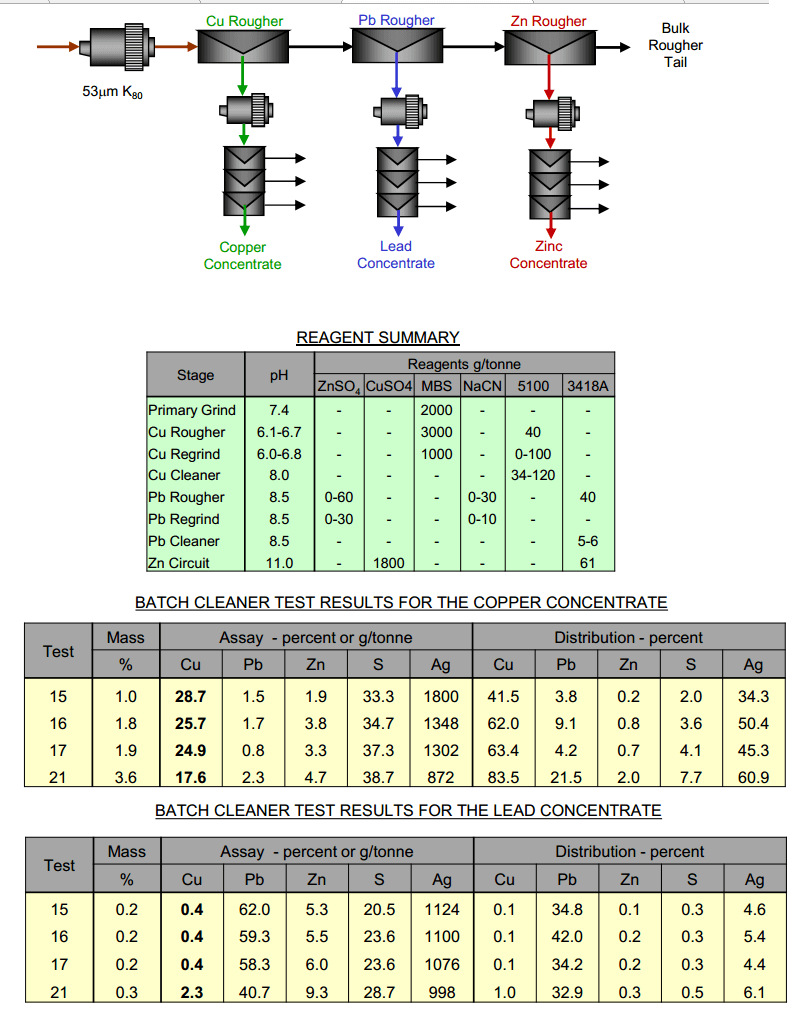
To improve the selectivity between copper and lead, a sequential copper-lead-zinc rougher circuit was tested. Each of the rougher circuits had a dedicated regrind and cleaner circuit. The advantages of the sequential circuits are that the levels of selectivity can be increased, particularly for copper and lead. With this process, copper was recovered first with MBS depression of lead, […]
Clarkson Liquid Reagent Feeders
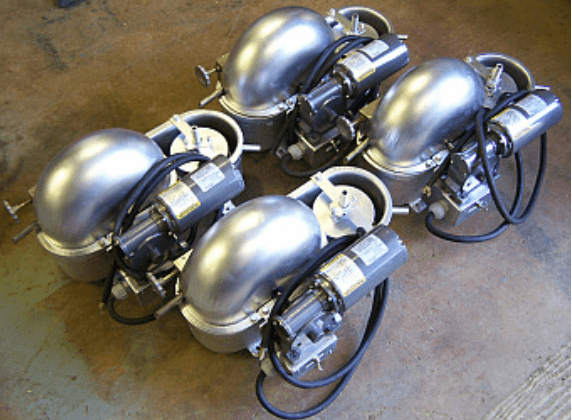
Original Clarkson Feeder Clarkson Feeders Clarkson Reagent Feeder The Clarkson Company had once designed a combination drum and scoop type liquid reagent feeder, the largest size of which has a capacity rating of 2000 tons of dry ore per 24 hr. This will enable the feeder to take a large tonnage of initial feed and several […]
How Copper Affects Cyanidation & Leaching
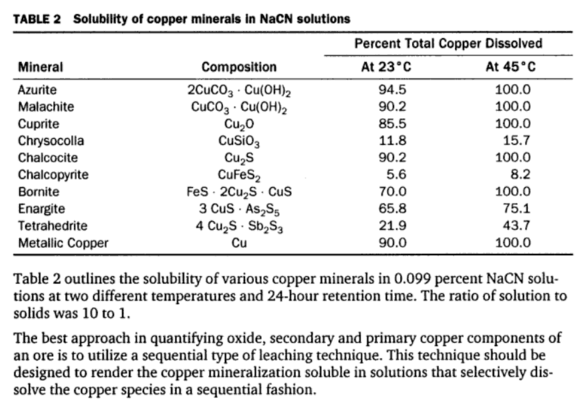
Many precious metal ores contain copper minerals in various amounts. These copper minerals dissolve in cyanide solutions to a greater or lesser degree depending on the particular copper mineral or minerals present, their fineness, and the dissolving effect of the cyanide solutions. In the process of dissolution the copper combines with, or as it is […]
Collectors Strength – Xanthate Family – Recovery Power
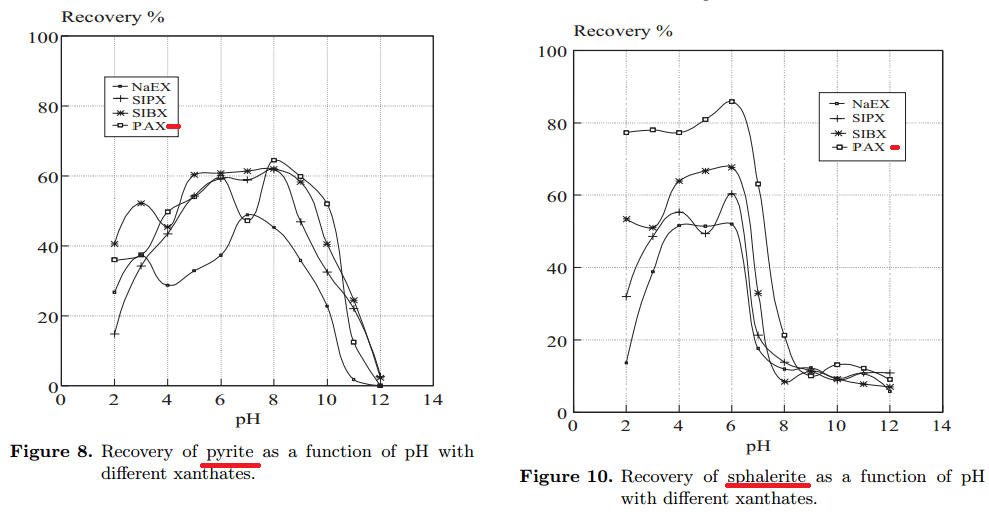
A little about collector strength and Xanthates: Some call it selectivity, I call it “how much do you put on”. Even the most selective collector can be rendered un-selective it you add enough. In reverse order of strength (strongest to weakest): PAX SIBX SIPX SEX Methyl Xanthate (uncommon) More about the collecting power of xanthate and […]
Column Flotation Model Overview
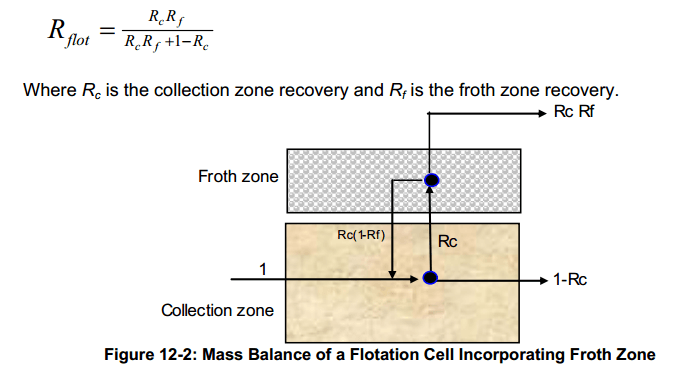
Although the model has been tested against only a limited amount of data the results shown in Figure 6 suggest that the model can be used to predict the flotation of fine particles in a column. The major advantage of the model is its ability to independently examine the influence of operational parameters on the […]
Compare Collectors and Fuel Oil for Moly Flotation
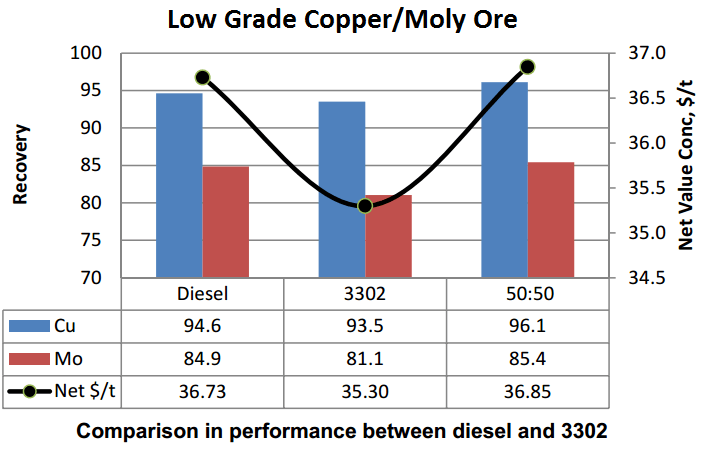
Are design or custom blends better than standard and cheaper fuel oil? Because of the high cost of the ‘designer or custom blend’ reagents, a test was run to determine the economical difference between 3302 and diesel. The evaluation was done with sulfide and transition ores, by treating a freshly prepared sample composite of both […]
Moly Collector and Addition Point in Flotation
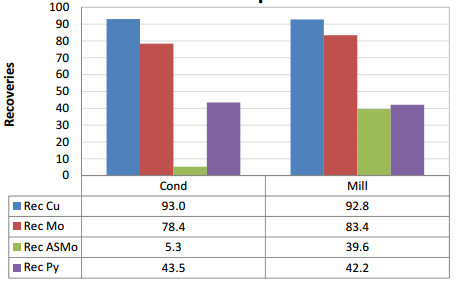
Where is Molybdenum best collected by its collector, Grinding or Conditioning? The protocols of the testwork were done such that a comparison could be made between adding the Moly collector at the milling stage versus the conditioning stage. As shown, the proper addition point for the Moly collector is at the grinding stage. The Moly recovery improvement is […]
Effect pH on Moly Rougher Recovery by Flotation
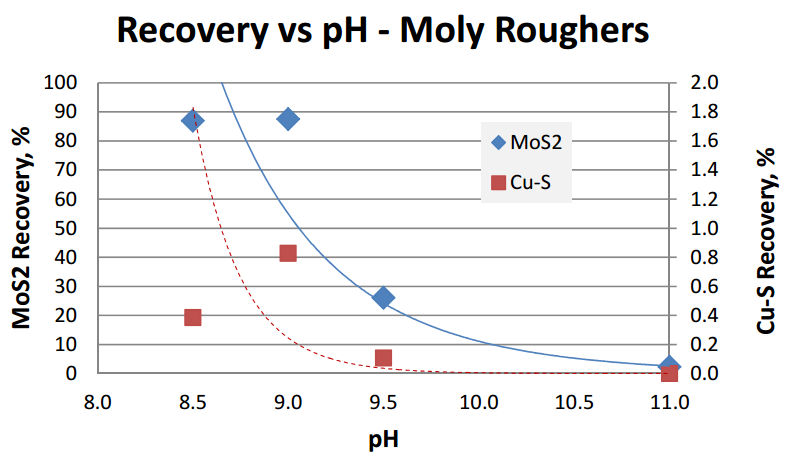
pH was varied in the moly flotation in roughers while attempting to maintain a eH in the low -500 mV. The results of the test, shows that the best recoveries of moly are achieved at pH values of 9 and below. The copper recoveries appear to get activated at these low pH values, but the […]
Effect of pH on Bulk Flotation of Copper – Molybdenum
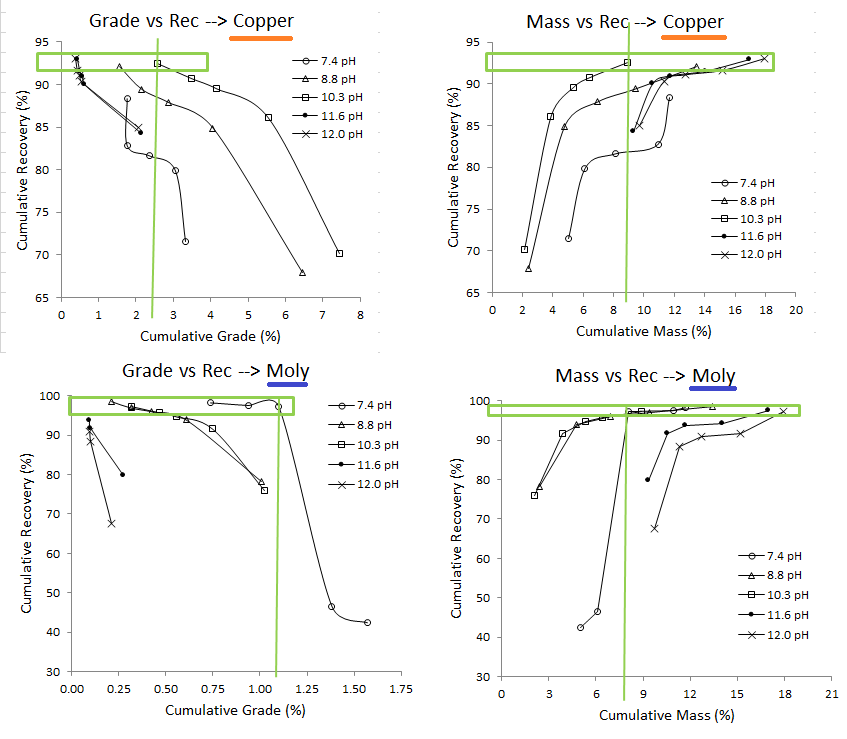
Graphic Conclusions of this particular set of flotation tests: Copper – Irrelevant of pH, with enough float time and reagents, you usually reach a terminal bulk rougher Cu recovery in the low 90s (Green Box) – pH 10.3 gives you that terminal recovery in less mass (9%), more selectively, at a higher Conc grade (2.5%) […]
Proven Cu Mo Separation Circuit Flowsheet
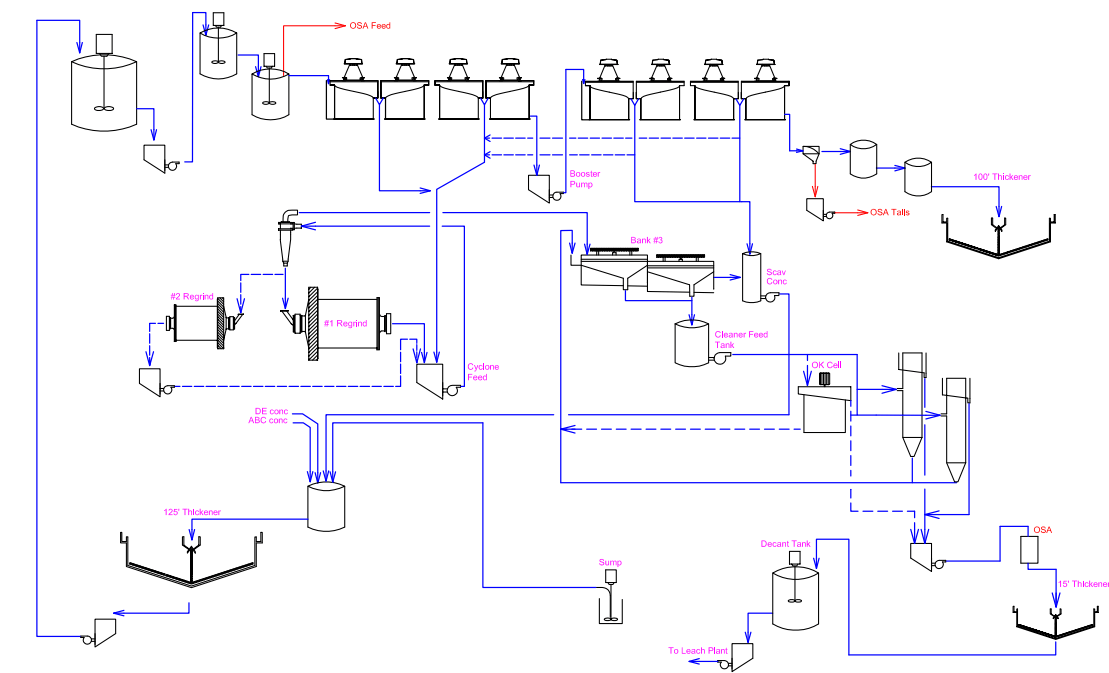
Here is a Proven Cu Mo Separation Circuit Flowsheet (by flotation) many will model after. It is used a Canada’s largest copper-molybdenum mine. It uses NaSH and Nitrogen.