
List of Metamorphic Rocks
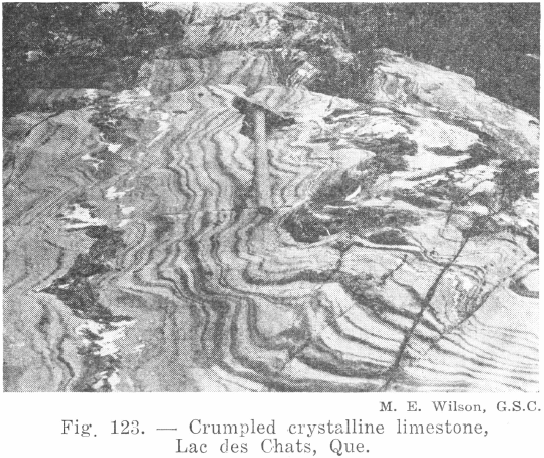
Rocks that have been formed from other rocks, sedimentary and igneous, by internal changes caused by pressure, heat, and the chemical action of the solutions and hot gases, are called metamorphic rocks and here is a list: Crystalline Limestone Crystalline Limestone is a rock that results from the crystallization of the calcite in sedimentary limestone. […]
Types of Porphyritic Rocks
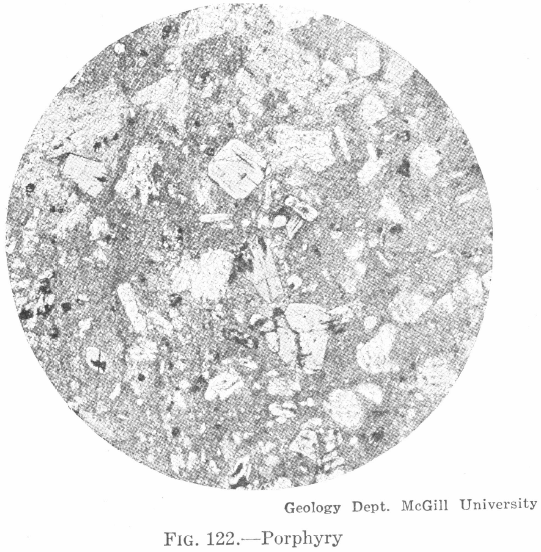
Porphyry. — This name refers to the structure, which is formed of larger crystals set in a fine-grained or glassy ground-mass. The porphyritic structure may be plainly visible, the larger crystals being easily seen (phenocrysts), or it may require the microscope to bring it out. Porphyritic structure may appear in any igneous rock, but the […]
List Volcanic Rocks
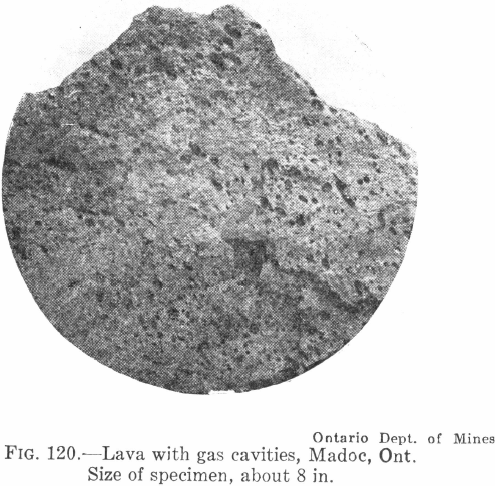
We can list volcanic rocks that are formed at or near the surface by comparatively quick cooling of lava, cannot be classified without the aid of the microscope and chemical analysis, except roughly as light-colored and dark lavas, conveniently called rhyolite, and basalt or trap. Rhyolite Rhyolite is made of light-colored acid lava flows, often called […]
Examples of Plutonic Rocks
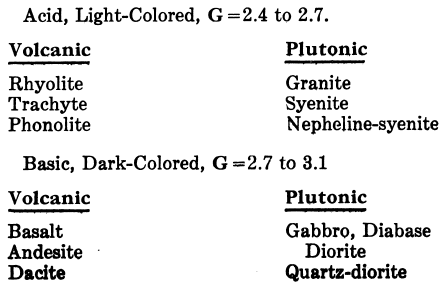
It is strongly recommended that these descriptions and examples of plutonic rocks be read with the specimens in hand, obtainable, as noted before, from the Geological Survey. Granite Granite is a coarse or medium- grained rock, composed of quartz, an acid feldspar or two of them (orthoclase, microcline, albite), and generally mica (biotite, or muscovite, or […]
How are Different Rock Types Formed
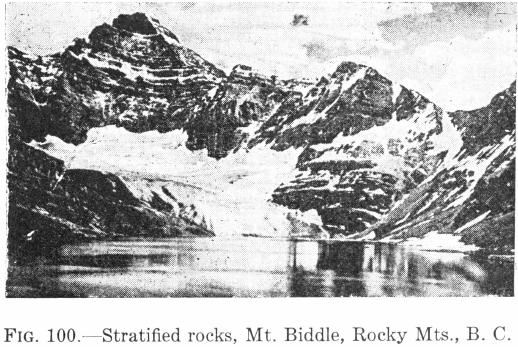
There are three great rock-making processes, namely: sedimentation movements of the melted rock or rock magma from within outwards metamorphism, or transformation of rocks by heat, pressure, and the influence of hot liquids and gases. These will now be discussed in order; and after the description of each process, there follows an account of the […]
Classes of Rocks
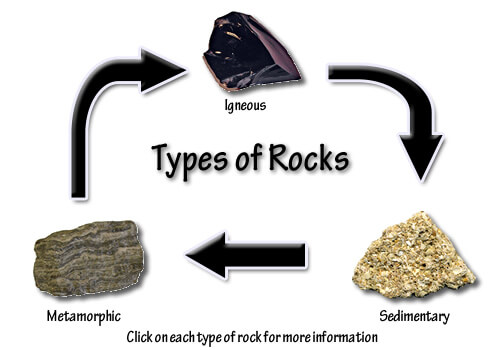
Three Classes of Rocks.—The rocks are divided into three great classes: Sedimentary rocks, made of fragments of older rocks more or less water worn or ground to powder, and then spread out and deposited in layers of gravel, sand, mud, etc., to be later consolidated by pressure and natural cementing. The material may also consist […]
Mechanical Weathering of Rocks
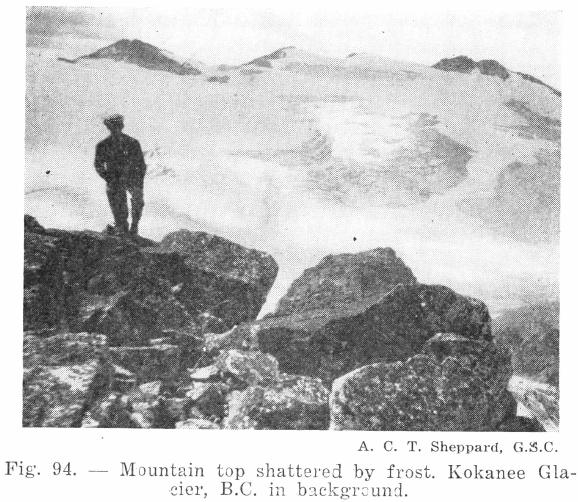
Weathering Forces Under this head are grouped a number of agencies that have their origin in the atmosphere, and which work not only on the surface but as far down as air and water, heat and cold, can penetrate. Because these forces work invisibly, they are apt to be more or less overlooked, although the […]
Landforms Created by Glaciers
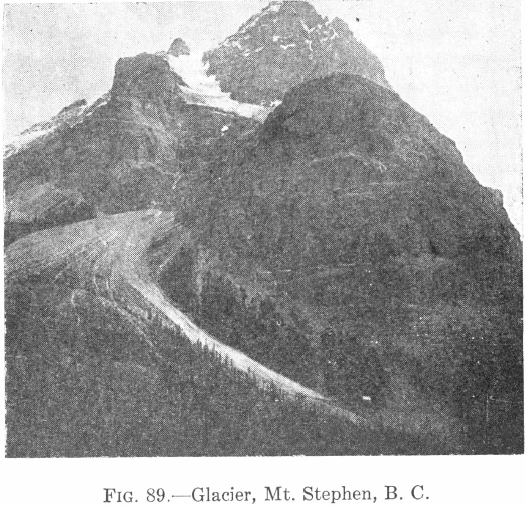
Origin of Glaciers In temperate and cold climates, and even in tropical countries, where there are very high mountains, the wastage of the snow by melting and evaporation may be less than the snowfall on the tops of the mountains; the snow, therefore, accumulates continually. In cold climates, like that of Greenland, snow accumulates even at […]
Types of Formations Caused by Erosion
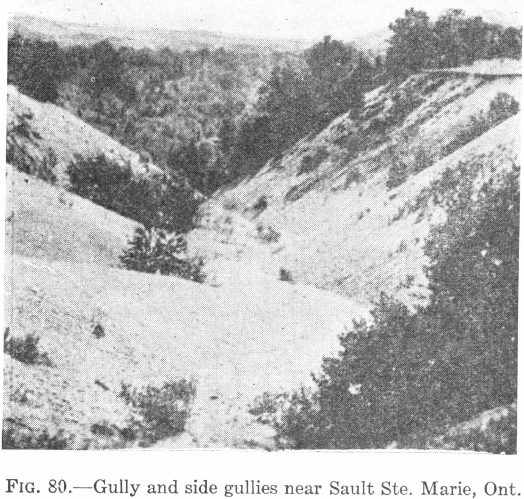
Forces Causing Erosion It is plain that ever since the crust of the earth became stable enough to allow water to stand, waves to form, rain to fall, and weather to act, these forces have been working on the surface much as they are doing now. It is quite possible that in earlier ages they […]
Origin of the Earth
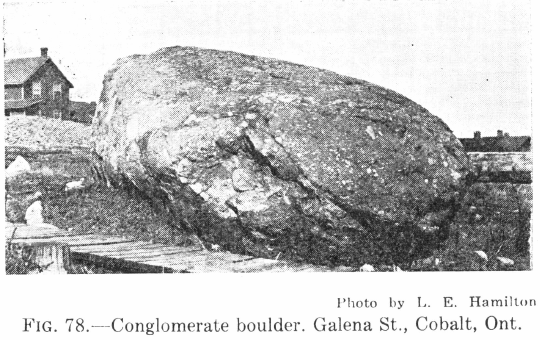
The Earth As a preparation for the systematic study of rocks, it will be useful to look at the earth as a whole, inquiring into its origin, the changes that it has undergone and is still undergoing, and the nature and causes of the great variety of surface features. Origin of the Earth From comparison […]